
Educational overview only. InsureCard Hub (cardhub.telegram-184.com) is not an insurer, bank, or lender, and does not provide personalized financial product advice. Verify details with official sources or a licensed professional.
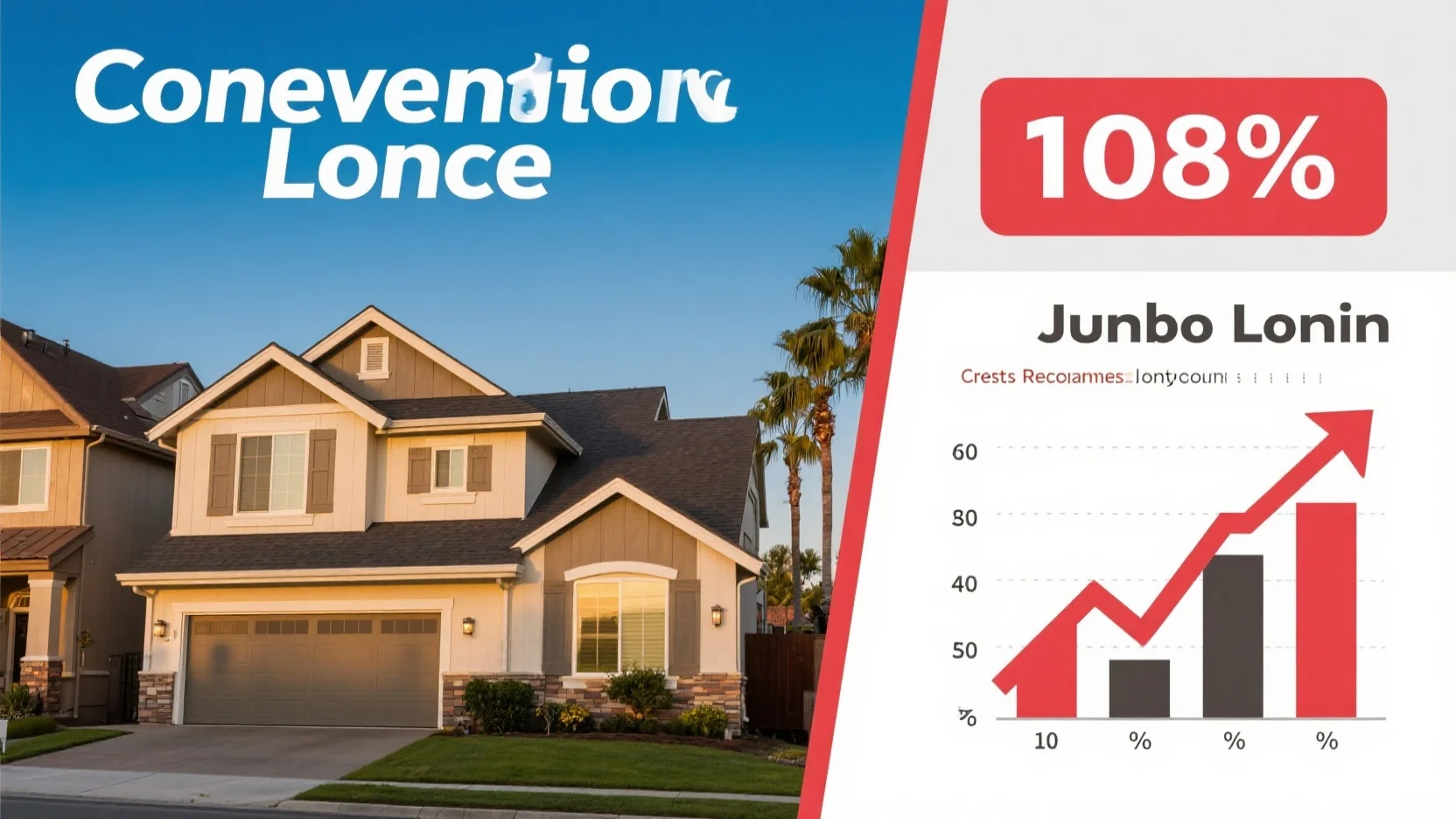
A Complete Guide to Choosing Jumbo or Conventional Loans in 2025

Image Source: pexels
Jumbo loans and conventional loans serve distinct purposes in the real estate market. Jumbo loans cater to properties exceeding conforming loan limits, offering higher borrowing power but requiring larger down payments and stronger financial stability. Conventional loans, on the other hand, provide lower down payment options and are more accessible. Understanding these differences is crucial for buyers of high-value properties. Key factors like credit score, income stability, and property value play a significant role in deciding between these loan types. A thoughtful jumbo loan vs conventional loan comparison ensures alignment with financial goals.
Key Takeaways
- These work great for people who own expensive homes. You can borrow more money with them. But you need either better credit or a bigger down payment to qualify.
- Conventional home loans are pretty easy to qualify for. They require much smaller down payments than other types of loans. These loans are a great pick for anyone buying their first home.
- First, figure out where you stand with your money. Next, think about what you want out of a home. Knowing these two things will help you pick the best home loan for you.
Jumbo Loan vs Conventional Loan Comparison
What Are Jumbo Loans?
Jumbo loans are non-conforming loans that exceed the conforming loan limits set by federal agencies like Fannie Mae and Freddie Mac. These loans are designed for buyers seeking to finance high-value properties, such as luxury homes or estates. Lenders offering jumbo loans often impose stricter requirements, including higher credit scores, larger down payments, and substantial cash reserves. Unlike conventional loans, jumbo loans do not have a standardized limit in 2025. Instead, lenders determine their own criteria, which can vary widely depending on the market and borrower profile.
What Are Conventional Loans?
Conventional loans are conforming loans that adhere to the limits and guidelines established by Fannie Mae and Freddie Mac. These loans are ideal for average homebuyers purchasing or refinancing properties within conforming loan limits. Conventional loans typically offer lower down payment options and more accessible qualification requirements compared to jumbo loans. Borrowers with stable income and good credit scores often find conventional loans to be a practical choice for financing homes within standard price ranges.
Loan Limits and Use Cases
Loan limits play a crucial role in distinguishing jumbo loans from conventional loans. In 2025, the conforming loan limits for conventional loans are as follows:
| Standard Limit | High-Cost Area | |
|---|---|---|
| 1 Unit | $806,500 | $1,209,750 |
| 2 Units | $1,032,650 | $1,548,975 |
| 3 Units | $1,248,150 | $1,872,225 |
| 4 Units | $1,551,250 | $2,326,875 |
Jumbo loans, on the other hand, exceed these limits and are used for properties that fall outside the conforming range. Typical use cases for jumbo loans include financing luxury homes, estates, or properties in competitive markets. Conventional loans are more suited for buyers purchasing homes within the conforming limits, making them a popular choice for first-time buyers or those refinancing existing mortgages.
The jumbo loan vs conventional loan comparison highlights the importance of understanding loan limits and their implications for property financing. Buyers should evaluate their financial situation and property goals to determine the most suitable option.
Key Differences Between Jumbo and Conventional Loans
Eligibility Requirements
Eligibility criteria differ significantly between jumbo and conventional loans. Jumbo loans demand higher credit scores, typically starting at 700, while conventional loans accept scores as low as 620. Debt-to-income (DTI) ratios also vary. Jumbo loans usually require a DTI ratio between 36% and 43%, whereas conventional loans may allow up to 50%. Cash reserves are another factor. Borrowers seeking jumbo loans often need 6-12 months of reserves, compared to 2-3 months for conventional loans.
| Requirement | Jumbo Loans | Conventional Loans |
|---|---|---|
| Credit Score | Minimum 700 | Minimum 620 |
| Down Payment | Typically 20% or more | As low as 3-5% |
| DTI Ratio | Typically 36-43% | Up to 43-50% |
| Cash Reserves | 6-12 months | 2-3 months |
Interest Rates and Costs
Interest rates for jumbo loans are generally higher than those for conventional loans. This difference reflects the increased risk lenders face with larger loan amounts. Borrowers with good credit and standard down payments may see jumbo loan rates exceed conventional rates by 0.25% to 0.5%. For borrowers with lower down payments, the gap can widen to 1% or more. However, some jumbo loans may offer competitive rates depending on factors like the borrower’s credit profile and the federal funds rate.
Down Payment Requirements
Jumbo loans typically require larger down payments, often starting at 20%. In some cases, lenders may ask for 25% or more. Conventional loans, by contrast, offer more flexibility. Borrowers can secure a conventional loan with down payments as low as 3-5%, making them more accessible for first-time buyers or those with limited savings.
- There’s a type of home loan called a jumbo loan. When you get one, you pay some money upfront first. This upfront payment is called a down payment. For jumbo loans, that down payment is between 20 and 25 percent.
- When you get a traditional loan, you have to pay a down payment upfront. That down payment can be as low as just 3 percent.
Loan Terms and Flexibility
Loan terms and flexibility also set jumbo and conventional loans apart. Jumbo loans exceed conforming limits and often come with stricter terms, such as higher credit score requirements and lower DTI ratios. Conventional loans adhere to conforming limits, making them more widely available and easier to qualify for. Mortgage insurance is another consideration. Conventional loans require it for down payments below 20%, while jumbo loans typically do not.
| Feature | Jumbo Loans | Conventional Loans |
|---|---|---|
| Loan Limits | Exceed conforming limits | Adhere to conforming limits |
| Down Payment | Typically larger (at least 20%) | Can be as low as 3-5% |
| Interest Rates | Generally higher due to risk | Typically lower |
| Credit Score | More stringent requirements | Lower requirements |
| Debt-to-Income Ratio | Very low ratio essential | More flexible |
| Mortgage Insurance | Not typically required | Required if down payment < 20% |
| Availability | Less commonly offered | Widely available |
The jumbo loan vs conventional loan comparison highlights these differences, helping borrowers choose the best option for their financial situation and property goals.
When to Choose a Jumbo Loan

Image Source: pexels
High-Value or Luxury Properties
Jumbo loans are ideal for financing high-value or luxury properties. These loans allow buyers to secure a single loan for expensive homes, eliminating the need for multiple mortgages. Borrowers can benefit from competitive interest rates tailored to financially stable individuals. Flexible repayment terms, including fixed-rate or adjustable-rate options, cater to diverse financial needs.
- These days, home buyers have more money to spend overall. They can pick houses in nice, popular neighborhoods if they want. They can also go for homes with fancy, top-quality extra features.
- Jumbo loans are extra-large loans for buying homes. A down payment is the cash you pay up front for a house. Even if your down payment is really small, jumbo loans have a nice perk. You don’t have to pay for extra home loan insurance, called PMI, on these loans.
- You can compare smaller loans to larger ones. Either way, competitive rates lower the total cost of borrowing money.
This makes jumbo loans a practical choice for those seeking to invest in luxury real estate.
Properties in High-Cost Areas
Properties in high-cost areas often exceed conforming loan limits, making jumbo loans a suitable option. These loans provide the necessary borrowing power to purchase homes in competitive markets. Borrowers can finance high-cost properties with a single loan, avoiding the complexity of managing multiple mortgages.
- Jumbo loans are extra big loans people get to buy homes. The interest rate is the extra cash you pay back on top of the loan. This rate for jumbo loans can be either fixed or variable. A fixed rate stays exactly the same the whole time you pay the loan off. A variable rate can go up or down as time passes.
- Most of the time, competitive loan rates are pretty low. They are usually lower than standard loan rates. Those standard loans are common and follow basic lender rules.
- If you’re buying a house, you first pay a down payment. That down payment doesn’t have to be super big. Even with a smaller down payment, you can still avoid PMI.
This flexibility and borrowing capacity make jumbo loans an excellent choice for properties in high-demand regions.
Borrowing Beyond Conforming Loan Limits
Jumbo loans are essential for buyers needing to borrow beyond conforming loan limits. These loans enable buyers to finance properties that exceed the maximum limits set by Fannie Mae and Freddie Mac. Borrowers can access higher loan amounts without compromising on property quality or location.
- How much you can borrow matters when you’re buying property. If you can take out a bigger loan, you can look at a much wider range of places to buy.
- There are flexible options for paying back money you owe. These work for all kinds of different money situations, no matter what your current money circumstances are.
- Good, competitive interest rates are great for your budget. They help you spend less money over many years. Your total long-term costs will be way lower.
For buyers aiming to purchase homes outside conforming limits, jumbo loans provide the financial support needed to achieve their goals.
When to Choose a Conventional Loan
Properties Within Conforming Loan Limits
Conventional loans are an excellent choice for properties that fall within conforming loan limits. These loans offer several advantages for buyers seeking affordable financing options:
- These loans have fewer strict requirements to get approved. You can qualify with a credit score as low as 680. You also only need a down payment as small as 3 percent.
- Lower interest rates for these loans are possible. Lenders take on less risk with these loans. They can sell the loans to Fannie Mae and Freddie Mac. That means many lenders can lower their interest rates.
- Getting a conforming loan is a faster process overall. The checks lenders run to look over your application are easier and quicker. This means you’ll get your loan approval much faster.
Buyers purchasing homes within standard price ranges can benefit from these features, making conventional loans a practical and efficient option.
Lower Down Payment Options
Conventional loans provide flexibility with down payment requirements, making them accessible to a broader range of buyers. Borrowers can secure a loan with as little as 3% down, which is significantly lower than the 20% often required for jumbo loans. This feature is particularly beneficial for first-time homebuyers or those with limited savings.
You can save money by making a smaller down payment. This lets you keep more of your regular day-to-day cash. You can use that extra money for home upgrades or unexpected emergency costs.
Additionally, while private mortgage insurance (PMI) is required for down payments below 20%, it can be removed once the borrower reaches 20% equity in the home. This flexibility makes conventional loans a cost-effective solution for buyers with smaller budgets.
Easier Qualification Process
Conventional loans are easier to qualify for compared to jumbo loans. Borrowers with credit scores as low as 620 can apply, whereas jumbo loans typically require a minimum score of 700. The lower down payment options and reduced credit score requirements make conventional loans more accessible to a wider audience.
- If you want to borrow money, you don’t need a perfect credit score. Even people with average credit scores might still qualify.
- These loans are a lot easier to afford. That’s because they have lower interest rates.
- We can make the application approval process run way more smoothly. This simpler, more organized system gets approvals done much faster.
These features make conventional loans an attractive option for buyers seeking a straightforward and less demanding qualification process.
Factors to Consider When Deciding
Credit Score and Financial Health
Credit score plays a pivotal role in determining eligibility for jumbo or conventional loans. Borrowers with higher credit scores often qualify for jumbo loans, which demand stricter financial standards. Conventional loans, however, offer more flexibility for those with moderate credit.
| Loan Type | Minimum Credit Score | Qualification Conditions |
|---|---|---|
| Jumbo Loans | Higher than 700 | To qualify, you need to meet three main requirements. First, you have to have an excellent credit score. Your debt should be low compared to your income. You also need a good amount of cash saved up. |
| Conventional Loans | Starting at 620 | More flexible qualification criteria |
Jumbo loans have strict credit score rules. You usually need a score of at least 700 to get one. Conventional loans are less strict by comparison. You can qualify for these with a score as low as 620.
Evaluating credit score helps borrowers identify the loan type they are more likely to qualify for. Those with excellent credit may find jumbo loans suitable, while conventional loans cater to a broader range of financial profiles.
Income Stability and Debt-to-Income Ratio
Income stability significantly influences loan approval. Lenders assess income to ensure borrowers can manage monthly payments. Jumbo loans require proof of high income and substantial cash reserves, reflecting the higher risk for lenders. Conventional loans, on the other hand, accommodate varying income levels due to their lenient requirements.
- If you want to get a jumbo loan, you need more cash saved up first. You also have to pay a larger down payment to qualify for it.
- If your income is pretty steady, you can get standard conventional loans. These are common options for people who want to borrow money. You don’t need perfectly regular pay to qualify for them.
The debt-to-income (DTI) ratio also impacts loan decisions. A lower DTI ratio indicates better financial health, increasing approval chances. Jumbo loans typically require a DTI ratio between 36% and 43%, while conventional loans may allow up to 50%.
Property Value and Location
Property value determines whether a borrower should pursue a jumbo or conventional loan. Jumbo loans are tailored for high-value properties exceeding conforming loan limits. Conventional loans, however, suit properties within these limits.
- A jumbo loan is a type of loan. It works best for really expensive properties. It’s also great for homes in fancy, luxury areas. It’s the perfect pick for either of these property types.
- Some properties meet a specific set of common standards. If a property lines up with all those rules, conventional loans are a really good option for you.
Understanding property value ensures borrowers choose the loan type that aligns with their financial capacity and goals.
Long-Term Financial Goals
Long-term financial goals guide borrowers in selecting the right loan. Jumbo loans align with buyers aiming to invest in high-value real estate and manage larger payments. Conventional loans, however, suit those with modest goals or uncertain financial situations.
- There’s a program called the Jumbo loan program. It’s for people who are responsible and stable with their money. It helps these people make big, ambitious investment choices.
- If saving money is your top priority, regular loans are a better pick for you.
Borrowers should evaluate their financial aspirations to determine which loan type best supports their future plans.
Choosing between jumbo and conventional loans requires understanding their key differences.
| Feature | Jumbo Loans | Conventional Loans |
|---|---|---|
| Loan Limits | Exceed conforming limits | Adhere to conforming limits |
| Down Payment | Typically larger | Can be as low as 3-5% |
| Interest Rates | Generally higher | Typically lower |
| Credit Score | More stringent (700+) | Less stringent (620+) |
Aligning the loan type with financial goals and property value ensures better financial planning. Buyers should consult a mortgage professional to make informed decisions tailored to their unique circumstances.
Experts who work with loans can help you out. They know all the tricky rules for getting a loan. They’ll walk you through those confusing requirements. This helps you get the typical terms for your loan.
FAQ
What is the main difference between jumbo and conventional loans?
Jumbo loans exceed conforming loan limits, while conventional loans adhere to these limits. Jumbo loans require stricter qualifications, whereas conventional loans offer more accessible terms for average homebuyers.
Can first-time buyers qualify for jumbo loans?
Yes, first-time buyers can qualify for jumbo loans. However, they must meet higher credit scores, larger down payments, and stricter income requirements compared to conventional loans.
Do jumbo loans always have higher interest rates?
Not always. While jumbo loans generally have higher rates, competitive rates may apply depending on the borrower’s credit profile, financial stability, and the lender’s terms.
A mortgage expert knows all about home loans. They can help you find the right rates and payment terms. These options will fit your own specific situation.
Important note
This article is for general educational information only. InsureCard Hub (cardhub.telegram-184.com) is not an insurer, bank, or lender and does not provide personalized insurance, credit, or lending advice. Rules and product details change; verify with official sources or a licensed professional before acting.
