
Educational overview only. InsureCard Hub (cardhub.telegram-184.com) is not an insurer, bank, or lender, and does not provide personalized financial product advice. Verify details with official sources or a licensed professional.
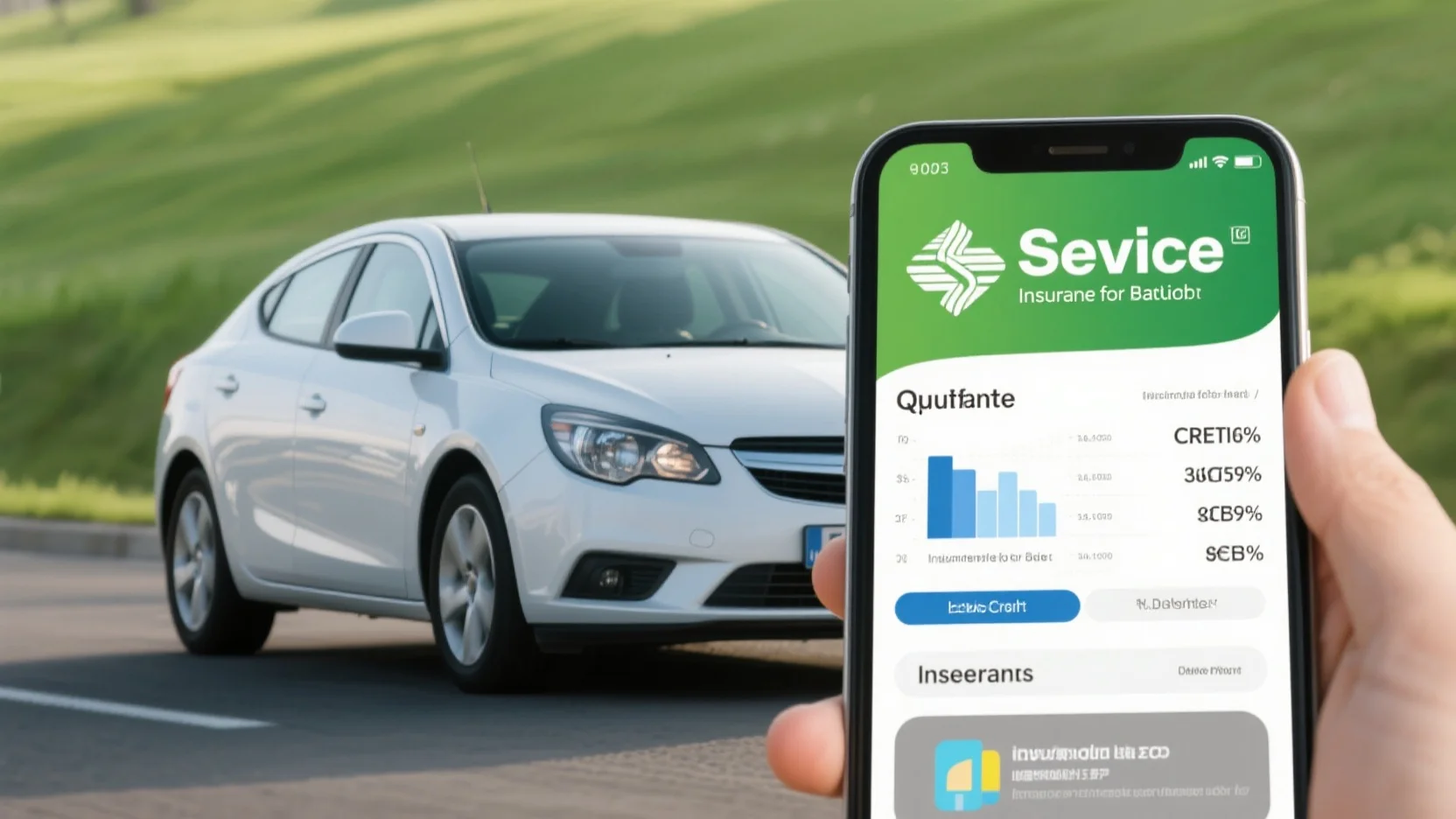
How to Find the Best Car Insurance for Poor Credit Drivers

Image Source: pexels
I know finding affordable car insurance with poor credit feels overwhelming, but it’s not impossible. Insurers often charge higher premiums for poor credit. For example:
- Drivers with bad credit often pay a lot more than drivers with good credit. The highest extra cost you could face is 263% more than what people with excellent credit pay.
- Let’s talk about drivers who live in Michigan. If you’re a safe driver there with bad credit, you’ll pay extra each year. That extra cost adds up to over $1,900 per year. That’s way more than a driver with good credit pays.
Comparing quotes and exploring the best auto insurance for drivers with bad credit can help you save money. Let’s make this process easier together.
Key Takeaways
- Comparing different price quotes gets you the fees that vary by provider. You should always get at least three separate quotes first. That simple step will help you save more money.
- Keep an eye out for special insurance deals. Some are discounts for people who drive safely. Others apply if you combine multiple policies. You can save money on your insurance this way. All you have to do is combine policies or look for discounts.
- A better credit score can make car insurance cheaper. Check your credit score every so often. Always pay all of your bills on time. Try to lower any debt you currently have.
How Credit Scores Impact Car Insurance Rates
Why Insurers Use Credit Scores
I’ve learned that insurers use credit scores because they believe these scores predict how likely someone is to file a claim. They see it as a way to measure risk. For example:
- A credit score is a number tied to how you handle money. These scores link closely to how often people file claims. People with better credit file fewer claims total. The claims they do file also usually cost less money.
- Scores and claim filings are linked. The lower a score is, the higher a certain chance is. That chance is a claim being filed. The lower the score, the more likely this is to happen.
This system helps insurers decide how much to charge for premiums. If your credit score is low, they assume you’re a higher risk, which means higher rates. While this might feel unfair, it’s a common practice in most states.
State Regulations on Credit-Based Insurance Rates
Not every state allows insurers to use credit scores. Some have strict rules or bans in place. Here’s a quick look at how different states handle this:
| State | Regulation Description |
|---|---|
| California | Starting in 2003, the entire insurance industry put a new rule in place. They completely banned the use of credit scores from that year onward. |
| Hawaii | Car insurance companies can’t use your credit information for two key tasks. They can’t use it to set how much you pay for your plan. They also can’t use it to decide if you get coverage at all. |
| Massachusetts | Using credit scores for car insurance decisions is banned. Insurance companies can’t use your score to approve you for a plan. They also can’t use it to set how much you pay for coverage. |
| Michigan | If you get car or home insurance, the company can’t use credit scoring for your plan. This rule applies to every policy for these two types of insurance. |
| Washington | There’s a new ban you might not have heard of. It stops insurance companies from using credit scores to set rates. This ban was put in place because of the COVID-19 pandemic. |
If you live in one of these states, you’re in luck. Insurers can’t use your credit score to determine your car insurance rates. However, in most other states, credit scores still play a big role.
How Poor Credit Increases Premiums
Poor credit can significantly increase your car insurance premiums. For instance:
- Drivers with poor credit pay an average of $1,012 every year. That amount is 263% higher than what drivers with excellent credit pay.
- We’re talking about drivers in Michigan here. If you drive safely but have bad credit, you’ll pay more each year. You’ll pay over $1,900 more than someone with good credit.
This happens because insurers use credit scores as a proxy for risk. They assume that lower scores mean higher chances of filing claims. While this might seem frustrating, there are ways to find the best auto insurance for drivers with bad credit. Comparing quotes and exploring discounts can make a big difference.
Best Auto Insurance for Drivers with Bad Credit
Companies Offering Affordable Rates
Finding the best auto insurance for drivers with bad credit starts with knowing which companies offer competitive rates. I’ve done the research, and here are some top options:
| Car Insurance Company | Avg. Annual Premium | Avg. Monthly Premium |
|---|---|---|
| Geico | $2,447 | $181 |
| Nationwide | $2,606 | $165 |
| Mercury | $2,768 | Not Available |
| USAA | Not Available | $199 |
These companies consistently provide affordable rates for drivers with poor credit. Nationwide and Geico stand out for their lower monthly premiums, making them excellent choices if you’re on a tight budget.
Discounts and Features to Consider
I always recommend looking beyond just the premiums. Many insurers offer discounts that can help you save even more. For example:
- If you have a good driving history, you might qualify for a lower rate. Your record of driving safely is all you need to be eligible for this option.
- You can save extra money super easily. All you have to do is bundle your home and car insurance.
- Geico has programs that track how you drive. If you drive more safely, you can pay less for your regular car insurance bills.
These features not only lower costs but also add value to your policy. Always ask about available discounts when comparing quotes.
Customer Satisfaction and Reviews
Affordability is important, but so is customer service. I’ve found that companies like Geico and USAA consistently receive high marks for customer satisfaction. Positive reviews often highlight quick claims processing and helpful support teams. Before choosing a provider, check online reviews and ratings. A company with great service can make all the difference when you need to file a claim.
By focusing on these factors, you can find the best auto insurance for drivers with bad credit that fits your needs and budget.
Strategies to Save Money on Car Insurance

Image Source: pexels
Compare Quotes from Multiple Providers
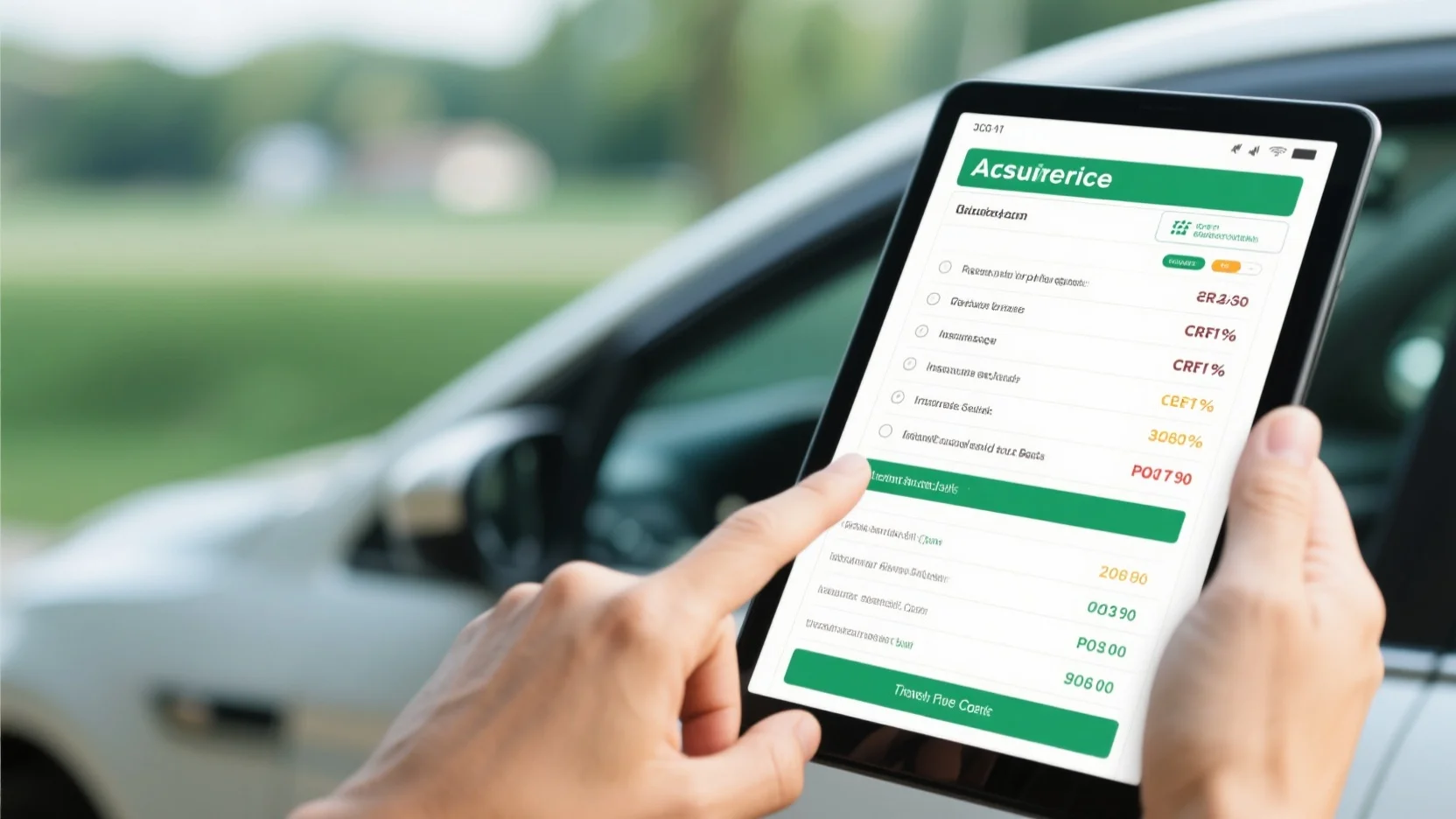
I always tell people that comparing quotes is one of the easiest ways to save money on car insurance. Every insurer calculates premiums differently, so shopping around can uncover better rates. I recommend getting quotes from at least three providers. Many companies offer free online tools to make this process quick and simple.
For example, when I compared quotes, I found that some insurers offered rates hundreds of dollars lower than others for the same coverage. This is especially important if you’re looking for the best auto insurance for drivers with bad credit. Don’t settle for the first quote you receive—explore your options to find the most affordable policy.
Take Advantage of Discounts and Bundling
Discounts can make a huge difference in your premiums. I always ask insurers about available discounts, and you should too. Many companies offer savings for safe driving, using telematics devices, or even signing up for paperless billing.
Bundling your policies is another great way to save. For instance, combining auto and home insurance can reduce your costs by about 5%. Some insurers also offer discounts for bundling auto insurance with RV, boat, or motorcycle coverage. These savings add up quickly, so take advantage of them whenever possible.
| Insurance Combination | Average Savings | Notes |
|---|---|---|
| Auto + Home | 5% | Multi-policy discount available. |
| Auto + RV | N/A | Discount available for bundling. |
| Auto + Boat | N/A | Discount available for bundling. |
| Auto + Motorcycle | N/A | Discount available for bundling. |
Adjust Coverage to Fit Your Budget
If you’re struggling to afford car insurance, adjusting your coverage can help. I recommend reviewing your policy to see if you’re paying for coverage you don’t need. For example, if you drive an older car, you might consider dropping collision or comprehensive coverage. These coverages often cost more than the car’s value.
Increasing your deductible is another way to lower your premiums. A higher deductible means you’ll pay more out of pocket if you file a claim, but it can significantly reduce your monthly costs. Be strategic about your coverage choices to ensure you’re only paying for what you truly need.
Here’s a good tip to keep in mind. Balance the cost of your coverage with your budget. If you cut back on your coverage, you’ll be more at risk if an accident happens.
Tips to Improve Your Credit Score
Pay Bills on Time Consistently
I can’t stress enough how important it is to pay your bills on time. Payment history makes up 35% of your credit score, so even one late payment can hurt your score. I’ve found that setting up automatic payments or reminders helps me stay on track. If you’re struggling to pay on time, reach out to creditors. Many offer hardship programs or flexible payment plans.
Pay the smallest amount you’re required to pay each month. That keeps your account in good standing, and you won’t get charged late fees.
Reduce Outstanding Debt
Reducing debt can feel overwhelming, but it’s one of the fastest ways to improve your credit score. I recommend starting with high-interest debts first. This strategy, often called the avalanche method, saves money on interest while lowering your balances. Alternatively, the snowball method focuses on paying off smaller debts first, which can build momentum.
It’s a good rule to keep your credit usage under 30%. If your total credit limit is $10,000, try not to use more than $3,000 of it.
Paying down balances not only boosts your score but also gives you more financial breathing room. I’ve seen how even small payments above the minimum can make a big difference over time.
Regularly Check Your Credit Report for Errors
Errors on your credit report can drag down your score without you even realizing it. I make it a habit to check my credit report at least once a year. You can request free reports from all three major bureaus—Experian, Equifax, and TransUnion—through AnnualCreditReport.com.
Here are some common errors to watch for:
- Accounts marked unpaid even after being paid off.
- Duplicate loans listed multiple times.
- Incorrect debts in collections.
- There are a few common mistakes you might run into sometimes. These can be a wrong birth date, an incorrect address, or names that are spelled wrong.
- Sometimes different files end up mixed together. This happens when their names are really similar. It can also happen if their Social Security numbers are almost the same.
- Fraudulent accounts from identity theft.
If you spot an error, dispute it immediately. Correcting inaccuracies can quickly improve your score. For added security, consider checking your report more often if you’ve experienced a data breach or plan to make a big purchase soon.
Keep one simple thing in mind about your credit score. If you pay regular attention to your credit score, it will show your real everyday money habits.
Finding affordable car insurance with poor credit is possible. Insurers use credit scores to assess risk, often raising premiums for lower scores. However, many states limit or ban this practice. Comparing quotes and improving your credit can lower costs. Take control today—start exploring options and building a stronger financial future!
FAQ
What is the best way to find affordable car insurance with poor credit?
I recommend comparing quotes from at least three providers. Look for discounts, adjust coverage, and consider bundling policies to save money.
Can improving my credit score lower my car insurance premiums?
Yes! A better credit score often leads to lower premiums. Focus on paying bills on time, reducing debt, and checking your credit report for errors.
Are there car insurance companies that don’t use credit scores?
Some companies don’t rely on credit scores, especially in states where it’s banned. Research local providers or ask insurers directly about their credit-based pricing policies.
No matter what your credit score is, talk to your insurance company. Ask them about any discounts you can get. Also ask about any special features you can use.
Important note
This article is for general educational information only. InsureCard Hub (cardhub.telegram-184.com) is not an insurer, bank, or lender and does not provide personalized insurance, credit, or lending advice. Rules and product details change; verify with official sources or a licensed professional before acting.
