
Educational overview only. InsureCard Hub (cardhub.telegram-184.com) is not an insurer, bank, or lender, and does not provide personalized financial product advice. Verify details with official sources or a licensed professional.
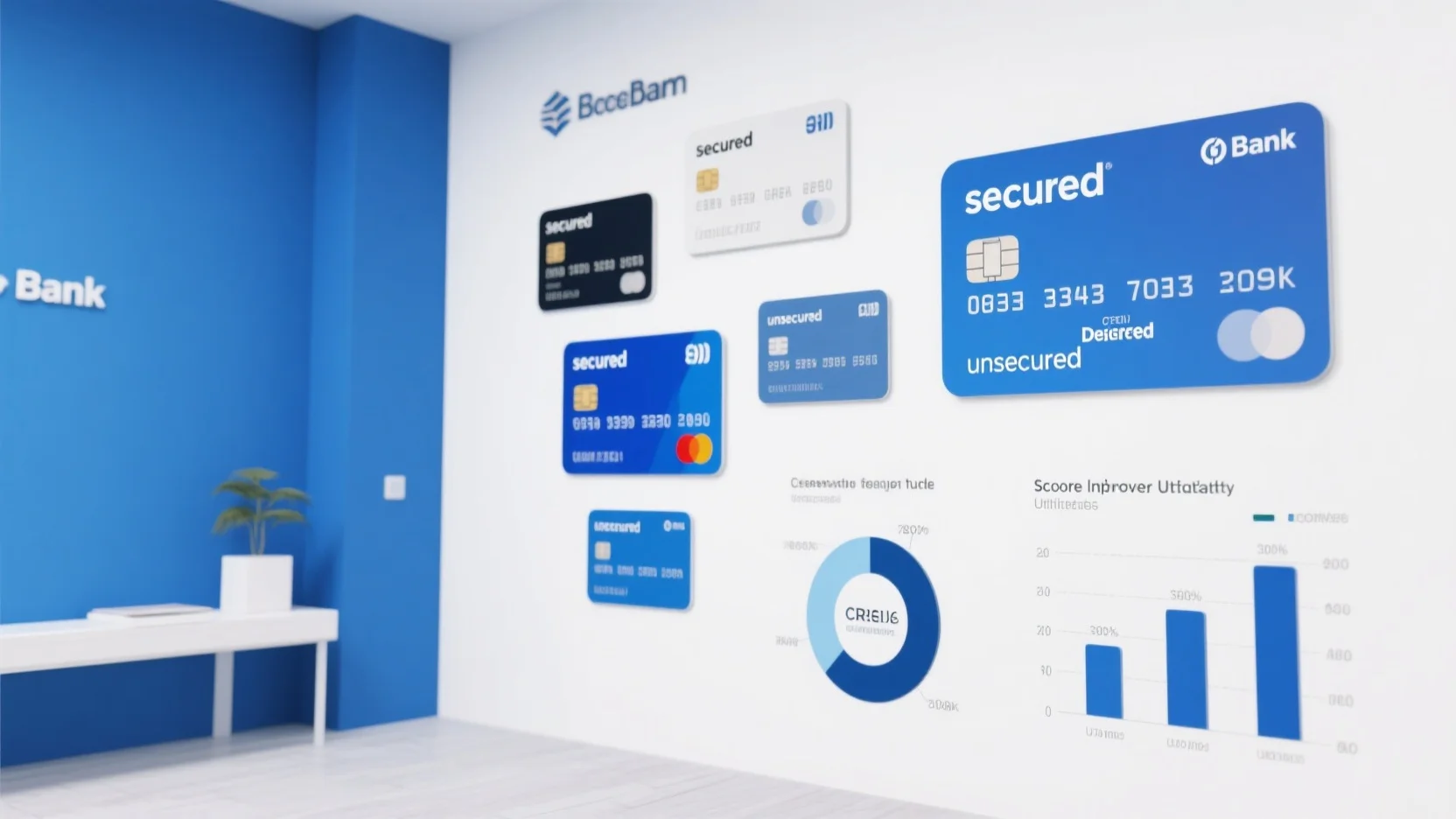
A Beginner’s Guide to Applying for Secured Credit Cards
Image Source: pexels
A secured credit card is one of the best secured credit cards to build credit. You need to pay a cash deposit to use it, and this deposit determines your credit limit while lowering the risk for banks. These cards are ideal for beginners with low credit scores, as they typically don’t require credit checks and report to credit bureaus. This process helps improve your credit history.
Key Takeaways
- Secured credit cards require you to put down a cash deposit first. That deposit sets the spending limit for your card. It helps you build and grow your credit over time. It also keeps the bank safe while you use the card.
- You should only use a small part of your credit limit. Aim to use less than 30 percent of your total credit limit.
- Before you apply for a secured card, compare your options first. Look closely at each card’s fees as you shop. Pick a card that reports to the three main credit bureaus. You should also double-check all fees and required deposit amounts.
What Is a Secured Credit Card?
How It Works
A secured credit card helps people build or fix credit. Unlike regular credit cards, it needs a cash deposit first. This deposit is like a safety net and sets your credit limit. For example, if you pay $300, your limit is $300. You can use the card for shopping and must pay the bill monthly.
Paying on time is very important to raise your credit score. Most secured cards share your payment history with big credit bureaus. This helps you create a good credit record. If you use the card wisely, you might qualify for a regular credit card later. Some companies even let you switch to an unsecured card without closing your account.
Secured cards often have fees and interest rates like regular cards. But they help you control spending and learn good money habits. Many top secured cards also return your deposit when you close the account with no balance left.
Why It Requires a Security Deposit
The deposit is a key part of secured credit cards. It protects the card company by acting as a backup. If you don’t pay your bill, they use the deposit to cover it. This makes these cards available to people with little or no credit history.
In the U.S., most secured cards need at least $200 as a deposit. Some cards ask for less, while others allow up to $5,000. The amount depends on your money situation and the card’s rules. When you close the account and pay off everything, you get your deposit back.
This system makes secured cards a great way to rebuild credit. Picking a good secured card can help you start improving your finances. It’s a smart first step toward long-term money success.
Secured vs. Unsecured Credit Cards
Key Differences
Secured and unsecured credit cards are used for different reasons. The biggest difference is how the credit limit is set.
- A secured credit card needs a deposit you can get back later. That deposit is exactly your credit limit. For example, if you put down $500, your credit limit will be $500.
- You don’t need a deposit to get an unsecured card. Your credit limit is set based on your credit score. People with high scores usually end up with higher limits.
Getting approved is also different. Secured cards are easier to get. Even people with no credit or bad credit can apply. The deposit lowers the risk for the bank. Unsecured cards are harder to qualify for. You need a good credit score and a strong financial history.
Other differences include fees, rewards, and interest rates. Secured cards usually have fewer rewards and higher interest rates. Unsecured cards often have better rewards and lower interest rates. But some unsecured cards may charge higher fees.
| Feature | Secured Credit Cards | Unsecured Credit Cards |
|---|---|---|
| Approval Odds | Easier to get approved for | Harder to get approved for |
| Credit Limit | Based on deposit amount | Usually higher limits |
| Interest Rates | Often higher APRs | Usually lower interest rates |
| Fees | Often lower for bad credit | May have higher fees |
| Rewards | Rarely offered | Better rewards programs |
| Deposit | Required, refundable | Not required |
Which One Is Right for You?
Choosing between these cards depends on your credit and goals.
A secured card is great for beginners or those fixing credit. It’s easier to get and helps build a good credit history. The deposit is refundable, and monthly reports go to credit bureaus.
Unsecured cards are better for people with good credit. They offer higher limits, better rewards, and lower interest rates. But you need a strong credit score and good money habits.
If unsure, start with a secured card. Use it wisely and pay on time. Over time, you can switch to an unsecured card and enjoy more benefits.
Before you pick a credit card, do two quick checks first. Look up your credit score, and the requirements for each card you’re looking at. Secured cards are great if you’re just getting started with credit. Unsecured cards give rewards to people with good credit.
How to Apply for a Secured Credit Card
Find the Best Secured Credit Card
Picking the right secured card is very important. Not all cards are the same, so research carefully. Think about these key points:
- Make sure your card gets reported to all three credit bureaus. Doing this helps you build your credit rating.
- Take time to compare interest rates and extra fees. Some credit cards have really high annual fees. Their yearly interest rates, called APRs, are often really high too.
- First, check out all your deposit options. Then pick the deposit option that works best for you.
Choosing the best card for your needs helps you succeed. A card that fits your budget and goals makes things easier.
Save for Your Deposit
Secured cards need a refundable deposit as a backup. Before applying, save enough money for this deposit. Most cards ask for at least $200, but some need more.
Saving for the deposit shows you’re responsible with money. It also sets your credit limit. A bigger deposit means more spending power. For example, a $500 deposit gives you a $500 limit.
Put aside extra money for this purpose. Save extra cash for your deposit too. That way, you won’t have to deal with any stress.
Apply for the Card
Getting a secured card is simple if you follow these steps:
- Check your credit report to see where you stand.
- Look at a bunch of different credit cards side by side. Compare how much each one charges in fees. Check each card’s annual interest rate too. Also compare how much you have to deposit for each.
- Gather documents like ID and proof of income.
- Apply online or in person.
- Pay your deposit quickly to start using the card.
Once approved, use the card wisely to improve credit. Pay on time and keep balances low to qualify for better cards later.
Benefits of Secured Credit Cards
Image Source: pexels
Credit Building
Secured credit cards help people build or fix credit. They share payment details with credit bureaus to create a good record. Paying on time and keeping balances low improves credit scores. These cards teach smart habits like spending wisely and paying bills regularly. For beginners, they are a great way to start managing money well.
Secured cards can also lead to unsecured cards later. If you use the card responsibly, you might qualify for an upgrade. Keeping the account open longer helps your credit score by increasing credit age. For those new to credit, secured cards are one of the best tools to improve credit.
Controlled Spending
Secured credit cards help control spending, which is great for beginners. The credit limit equals the deposit, so overspending is less likely. This feature helps users stick to their budget and avoid debt.
Keeping balances low, under 30% of the limit, is important. This improves credit scores and teaches good money management. For people learning to handle money, secured cards are a safe way to practice discipline.
Easier Approval for Beginners
Secured credit cards are easier to get than unsecured ones. The deposit lowers risk for banks, so approval is simpler for people with no credit or bad credit. This makes it easier for beginners to start building credit.
The deposit is refundable when you close the account and pay off the balance. This gives peace of mind to users. For many, secured cards are the first step toward financial freedom and stability.
Drawbacks of Secured Credit Cards
Security Deposit Requirements
Secured credit cards need a refundable deposit to open. Most cards ask for at least $200 or $300. Some may require more, depending on the card company. This deposit sets your credit limit , so less money means less spending power. For example, a $500 deposit gives you a $500 limit.
Even though the deposit is refundable, it locks up money. This money could be used for other important needs. For people struggling to save, this can feel hard. But for those serious about fixing their credit, the deposit is worth it. It’s a step toward better financial options.
Don’t forget to save extra cash for your deposit. Don’t use your emergency fund just to feel less stressed.
Fees and Interest Rates
Secured credit cards often have higher fees and interest rates. Many cards charge yearly fees, usually between $25 and $50. Other fees might include late payment, cash advance, or foreign transaction charges. Some cards even add monthly maintenance or activation fees.
Interest rates are also higher, with an average APR of 24.74% as of September 2024. Carrying a balance can get expensive. Paying off the full balance every month avoids these high costs. This keeps your spending under control.
Before you apply for a credit card, take time to look at different options. Look for cards that charge lower fees. You should also pick ones with higher interest rates.
Limited Rewards
Secured credit cards rarely offer rewards like cashback or travel perks. Some cards do have rewards, but they are smaller than unsecured cards. Unsecured cards often give better benefits, like higher cashback, travel points, or sign-up bonuses.
This lack of rewards can feel disappointing. But the main purpose of a secured card is to build credit. Once your credit improves, you can switch to an unsecured card with better perks.
First off, think about getting a secured credit card. You can build up your credit with this card. That credit will help you get rewards later on.
Tips for Using a Secured Credit Card Effectively
Pay Your Balance on Time
Always pay your balance on time to build credit. This shows lenders you are responsible with money. Late payments hurt your credit score and add fees. To avoid this, set reminders or use auto-pay options. These tools help you never miss a payment.
Paying the full balance each month avoids interest charges. This keeps costs low and helps you stick to your budget. If you can’t pay in full, at least pay the minimum amount. Paying on time regularly builds trust with lenders and improves your credit.
You can use your secured card just like a debit card. Make sure you only spend what you can pay back each month.
Keep Credit Utilization Low
Credit utilization means how much of your limit you use. Keeping this low helps improve your credit score. Experts say to stay under 30% of your limit. For example, if your limit is $500, spend less than $150.
For better results, aim for under 10% usage. Many people see big credit score boosts by staying between 1-3%. This shows lenders you manage credit well and don’t overspend.
Here’s a really handy pro tip. Pay off your full card balance several times a month. This keeps how much of your card limit you use low. It works even if you use your card super often.
Monitor Your Credit Score
Check your credit score often to track your progress. Many secured cards offer free tools to monitor your score. Use these to see how you’re improving and find areas to fix.
Watching your score rise can be encouraging. It shows your efforts are working. If your score drops suddenly, check your credit report for mistakes or missed payments. Fixing errors quickly stops long-term harm to your credit.
Think of your credit rating as a report card for your money habits. Every good money choice you make gets you closer to your goals.
Transitioning to an Unsecured Credit Card
When to Upgrade
Knowing when to switch from a secured to an unsecured credit card is important. Look for these signs to know you’re ready:
- You might not know much about credit scores yet. The highest credit score you can get is 670.
- You should always pay your monthly bills on time. Make sure you don’t forget to do this every single month. It’s really simple to keep up with once you turn it into a regular habit.
- Pay all the money you owe right on time. This will help you improve your credit score.
These signs show lenders you can manage credit well. Upgrading at the right time gives you better rewards and higher limits.
Check your credit rating regularly. It helps you figure out when you’re ready to upgrade.
Steps to Transition
Switching to an unsecured card takes planning. Follow these steps to make it easier:
- Pay all your card charges on time. Be sure you never go over your spending limit.
- You can boost your credit score by sticking to good credit habits. Make sure you follow those habits for every one of your accounts.
- Check your credit card’s current rules. See if you can get an automatic upgrade after a set length of time.
- Once you’ve used your service for a whole year, check if you got an upgrade offer. If you never got one, just ask your provider for an upgrade.
- If you can’t upgrade your current card, don’t worry. You can always apply for a new card instead.
These steps show lenders you’re reliable. A smooth switch helps you keep growing your credit and get better financial options.
Keeping Good Credit Habits
Good habits are still important after upgrading. Pay bills on time to avoid fees and keep your score strong. Spend less than 30% of your limit to keep credit utilization low. Check your credit report often to fix mistakes or spot identity theft.
You can build credit little by little over time. Every smart choice you make helps you reach financial success.
Secured credit cards are important for improving credit and finances.
- The CFPB put out a report back in 2021. It looks at Americans who have low credit scores. About one out of three of these people make use of their scores.
- A recent study shares a finding about credit scores. Nineteen percent of users got a much higher credit score. That’s almost one out of every five users in the study. The jump in their credit scores was big enough to matter.
You can start right now. Using credit can help you grow your money over time. All you need to do is apply for secured credit cards.
FAQ
What happens to the security deposit when the account closes?
You get your deposit back if there’s no balance. This return lets you enjoy your credit-building success and reclaim your money. 🎉
Can someone with no credit history apply for a secured credit card?
Yes! Secured cards are made for beginners. They help you start building credit by sharing payment details with credit bureaus.
How long does it take to transition to an unsecured credit card?
It depends on how you use your card. Most people qualify in 12-18 months by paying on time and keeping balances low.
Tip: Keep up good habits to switch faster!

Important note
This article is for general educational information only. InsureCard Hub (cardhub.telegram-184.com) is not an insurer, bank, or lender and does not provide personalized insurance, credit, or lending advice. Rules and product details change; verify with official sources or a licensed professional before acting.
