
Educational overview only. InsureCard Hub (cardhub.telegram-184.com) is not an insurer, bank, or lender, and does not provide personalized financial product advice. Verify details with official sources or a licensed professional.
Comprehensive Guide to Rewards Credit Cards with Annual Fees

Image Source: pexels
Rewards credit cards with annual fees offer significant benefits, including travel perks, cashback, and premium services. However, users must weigh the value of these rewards against the cost. A thoughtful credit card rewards vs annual fee comparison helps determine if the benefits align with personal spending habits. How can users maximize rewards while minimizing costs?
Key Takeaways
- If you use a service regularly, you can earn great rewards. These rewards include cash back and travel perks.
- Spending a little more on these cards is totally worth it. The extra cash you spend makes them a really great choice.
- Go for the card that has the highest rewards and sign-up bonuses. Using it will help you avoid late fees and interest charges.
What Are Rewards Credit Cards with Annual Fees?
Definition and Purpose
Rewards credit cards with annual fees are designed to offer enhanced benefits and rewards in exchange for a yearly cost. These cards cater to individuals who want to maximize their spending by earning points, cashback, or travel perks. The annual fee typically starts at $50 and can go up to $700 for premium cards. While the fee may seem high, the rewards and perks often outweigh the cost for frequent users.
Key Features and Benefits
Rewards credit cards with annual fees provide a range of valuable benefits. Some of the most popular features include:
- Earning valuable points or miles on purchases.
- Receiving annual credits for travel or dining.
- You can get really nice special travel benefits. One of them is being able to use airport lounges.
- Credit cards that don’t charge a yearly fee usually have bigger sign-up bonuses.
- Travel protection has several useful common benefits. One is coverage if you have to cancel your planned trip. Another pays you back if your luggage gets lost while traveling. It also includes insurance for cars you rent on your trip.
For example, a card with a $95 annual fee might offer 75,000 miles after spending $4,000 in the first three months. This bonus is worth $750, which far exceeds the value of a no-annual-fee card offering 20,000 miles for $500 in spending.
Credit Card Rewards vs Annual Fee Comparison
When comparing rewards credit cards with and without annual fees, the differences become clear. Cards with annual fees generally provide higher earning rates, better sign-up bonuses, and additional perks. For instance:
- If you spend four thousand dollars first, you may qualify for a special card. This card charges a 95 dollar fee every year you have it. It may give you a bonus of 75,000 travel miles. Those miles add up to 750 dollars total.
- Some cards don’t charge you a yearly fee at all. Spend $500 using that card, and you might get 20,000 miles. All those miles are worth a total of $200.
- Some credit cards charge a fee every year. These cards are usually more valuable overall. That’s especially true for two types of people. They work great for people who travel really often. They also work well for people who spend a lot of money.
These cards also often include benefits like no foreign transaction fees and travel insurance, making them ideal for those who travel frequently. A thoughtful credit card rewards vs annual fee comparison helps determine whether the benefits justify the cost.
Key Benefits and Drawbacks
Advantages of Rewards Credit Cards with Annual Fees
Rewards credit cards with annual fees provide several advantages for users who maximize their benefits. These cards often offer higher earning rates on purchases, allowing users to accumulate points or miles faster. Many cards include lucrative sign-up bonuses, which can offset the annual fee within the first year. For frequent travelers, perks such as airport lounge access, free checked bags, and travel insurance enhance the overall experience. Cashback cards with annual fees often provide higher percentages on specific categories like groceries or dining. Additionally, premium cards may include annual credits for travel, dining, or streaming services, further increasing their value.
Common Drawbacks to Consider
Despite their benefits, these cards come with potential drawbacks. The annual fee can feel burdensome for users who do not spend enough to justify the cost. Some cards require high spending thresholds to unlock sign-up bonuses, which may not suit everyone. Additionally, the rewards structure can be complex, making it difficult for some users to maximize their earnings. Overspending to earn rewards may lead to financial strain, especially if balances are not paid in full each month. Users should also consider whether the card’s perks align with their lifestyle.
Who Should Consider These Cards?
Rewards credit cards with annual fees work best for individuals who spend regularly in categories that earn high rewards. Frequent travelers, for instance, can benefit from travel perks and no foreign transaction fees. High spenders in specific categories like dining or groceries may also find value in these cards. However, those who prefer simplicity or have limited spending may find no-annual-fee cards more suitable. A thoughtful credit card rewards vs annual fee comparison can help determine if these cards align with personal financial goals.
Top Rewards Credit Cards with Annual Fees
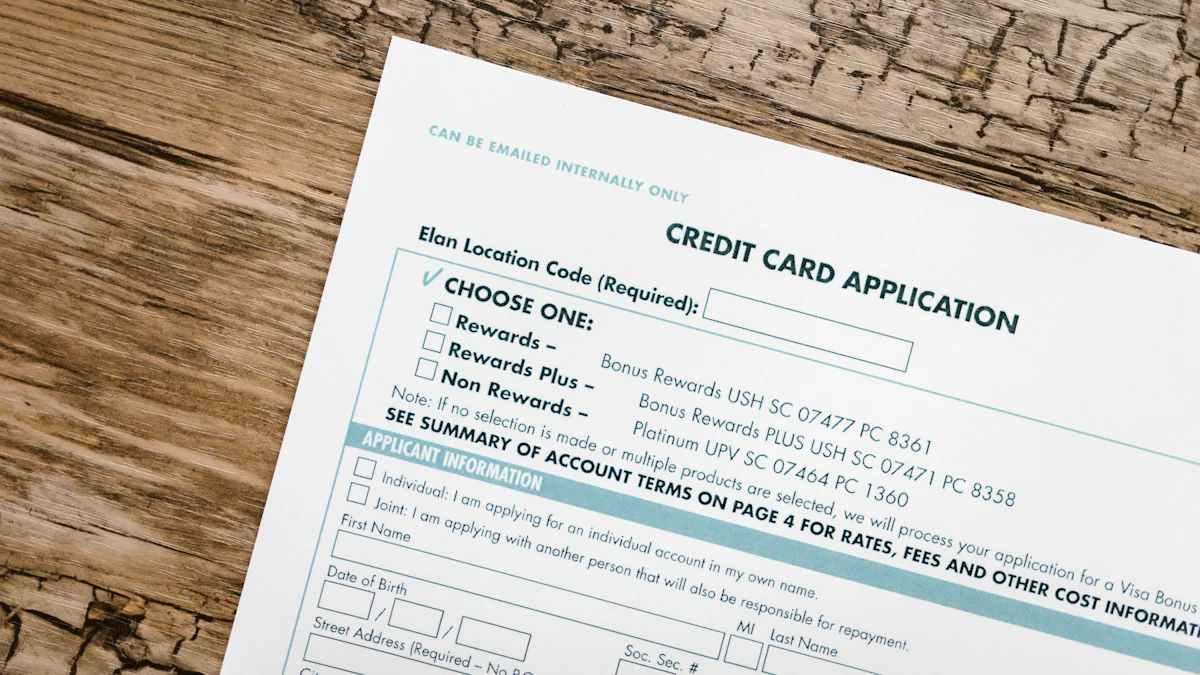
Image Source: pexels
Best for Travel Rewards
Travel rewards credit cards with annual fees often provide exceptional value for frequent travelers. These cards typically offer high earning rates on travel-related purchases, along with perks like no foreign transaction fees and travel insurance. For example, the Chase Sapphire Preferred® Card charges a $95 annual fee and offers 5X points on travel and dining, 2X points on other travel purchases, and 1X points on all other spending. It also includes benefits like trip cancellation insurance and lost luggage reimbursement. Another option is the Capital One Venture Rewards Credit Card, which provides 20,000 bonus miles and 5X miles on hotel and rental car bookings. These features make these cards ideal for those who prioritize travel benefits.
| Card Name | Annual Fee | Key Benefits |
|---|---|---|
| Chase Sapphire Preferred® Card | $95 | This card comes with travel insurance included. You earn five times the points for dining and travel. You get two times the points when booking travel outside Chase. All other purchases earn one times the points each. |
| Capital One Venture Rewards Credit Card | $0 | You get a 20,000 mile bonus to start with. Booking hotels earns you 5 times the normal miles. Renting a car also gets you 5 times the normal miles. Every other purchase gives 1.25 times the standard miles. You won’t pay extra fees for purchases made outside the country. |
Best for Cashback
Cashback credit cards with annual fees cater to users who want to maximize their everyday spending. The Capital One Savor Cash Rewards Credit Card, for instance, charges a $95 annual fee and offers 8% cashback on Capital One Entertainment purchases, 3% on dining and groceries, and 1% on all other purchases. This card is particularly beneficial for those who frequently spend on dining and entertainment. By using such a card strategically, users can earn significant cashback that offsets the annual fee.
| Card Name | Annual Fee | Cashback Rates |
|---|---|---|
| Capital One Savor Cash Rewards Credit Card | $95 | Here’s how your Capital One card rewards work. You get 8% back on Capital One Entertainment purchases. Grocery store trips and dining out earn 3% back. All other purchases give you 1% back. |
Best for Premium Perks
Premium rewards credit cards with annual fees provide exclusive benefits for users seeking luxury experiences. These cards often include lounge access, such as Priority Pass Select membership or access to American Express Centurion lounges. Other perks include trip cancellation insurance, lost luggage reimbursement, and annual travel credits. For example, some cards offer credits toward TSA PreCheck or Global Entry application fees, enhancing convenience for frequent travelers. These premium perks justify the higher annual fees for users who value luxury and convenience.
- If you’re a Priority Pass Select member, you get lounge access. That means you can go into these lounges using your membership.
- You’ll get to use two different kinds of lounges. One kind is the American Express Centurion Lounges. You can also use all Delta Sky Club lounges too.
- This travel insurance covers two main things for you. It pays you back if you have to cancel a planned trip. It also pays you back for your luggage if it gets lost while you travel.
- Annual travel credits and rideshare credits.
Best for Everyday Spending
For users with consistent spending habits, rewards cards tailored for everyday purchases can provide excellent value. These cards often offer higher earning rates on categories like groceries, gas, and dining. Cashback cards with annual fees, such as the Capital One Savor Cash Rewards Credit Card, are particularly effective for maximizing rewards on routine expenses. By aligning spending habits with the card’s rewards structure, users can ensure that the benefits outweigh the annual fee.
Summary Table of Top Cards (Fees, Rewards, Ideal Users)
| Card Name | Annual Fee | Rewards/Perks | Ideal Users |
|---|---|---|---|
| Chase Sapphire Preferred® Card | $95 | You get travel insurance with this offer. You earn five times the points when you eat out. You also won’t pay extra fees for purchases made in other countries. | Frequent travelers |
| Capital One Venture Rewards Credit Card | $0 | When you book a hotel or rent a car, you’ll earn extra miles. You’ll get five times the usual number of miles for these bookings. | Occasional travelers |
| Capital One Savor Cash Rewards Card | $95 | Let’s go over the percentages for each spending category. Entertainment is 8 percent. Dining and groceries add up to 3 percent. All other purchases are only 1 percent. | Dining and entertainment enthusiasts |
How to Choose the Right Card for You
Assessing Your Spending Habits
Spending habits play a crucial role in selecting the right rewards credit card. Higher monthly spending often justifies an annual fee if the rewards exceed the cost. For instance, spending $2,000 monthly could generate $240 in cashback annually, making a card with a $149 annual fee worthwhile. Conversely, lower spending, such as $500 monthly, may not offset the fee, making a no-fee card more practical.
- Say you have a credit card that gives 2% cash back. It charges a $100 fee to use every year. To get your money’s worth from that card, you need to spend $5,000 on it each year.
- Say you spend $500 every month. It would take 10 full months to get your $100 refund. That means you barely get any extra money from this setup.
- Spend the same amount with a no-fee credit card, and you’ll get $90 a year. That’s a great benefit for people who don’t spend much money.
Understanding spending patterns ensures the card aligns with financial goals.
Evaluating the Rewards Structure
The rewards structure determines how much value a card provides. Tiered rewards offer varying rates for different categories, while fixed rewards provide consistent earnings. For example:
| Key Element | Description |
|---|---|
| Tiered vs. Fixed Rewards | Some reward cards use fixed reward rules. They give the same reward for every purchase you make. Other reward cards have a tiered system. These give special rewards for specific types of purchases. |
| Cashback Spending Caps | Some credit cards have strict rules around cashback. These rules can cut down how much cash you earn back. |
Evaluating these elements helps users choose a card that maximizes rewards based on their spending categories.
Balancing Annual Fees with Benefits
Balancing annual fees with benefits requires careful evaluation. Users should assess whether the rewards and perks outweigh the cost. For example, a card with a $100 annual fee offering 2% cashback requires $5,000 in spending to break even. If monthly spending is $500, it may take ten months to recover the fee. Additionally, users should consider the value of benefits like travel credits or lounge access. Cards with high fees only make sense if the user fully utilizes these perks.
Aligning Cards with Your Financial Goals
Financial goals should guide the choice of a rewards credit card. Travelers may prioritize cards with travel perks, while everyday spenders might prefer cashback cards. Users with existing debt should avoid high-interest cards, as interest charges can negate rewards. Aligning the card’s features with personal objectives ensures long-term value. A thoughtful credit card rewards vs annual fee comparison can help users identify the best option for their needs.
Tips for Maximizing Rewards

Image Source: pexels
Strategic Card Usage
Maximizing rewards starts with using the right card for the right purchases. Each card offers specific benefits tailored to certain spending categories. For example, a card with higher cashback on groceries should be used for supermarket purchases, while a travel rewards card is ideal for booking flights or hotels. Users should calculate their spending threshold to ensure the rewards offset the annual fee. For instance, a card with a $100 fee and 2% cashback requires $5,000 in annual spending to break even. Additionally, individuals should avoid adding a rewards card with an annual fee if they carry existing credit card debt, as interest charges can negate the benefits.
Leveraging Sign-Up Bonuses
Sign-up bonuses provide an excellent opportunity to maximize value. Many cards with annual fees offer substantial bonuses for meeting spending requirements within the first few months. For instance, a card with a $95 annual fee might offer 75,000 miles after spending $4,000 in three months, valued at $750. In comparison, a no-annual-fee card may only provide 20,000 miles worth $200. These bonuses can significantly outweigh the cost of the fee, especially for users who plan their spending strategically to meet the required threshold.
Avoiding Interest and Late Fees
Interest and late fees can quickly erode the value of rewards. Paying the full balance each month ensures users avoid interest charges, which often exceed the value of earned rewards. Monitoring transactions regularly helps prevent overspending and ensures timely payments. Additionally, setting up automatic payments can reduce the risk of missing due dates, further protecting the value of the card’s benefits.
Making the Most of Additional Perks
Many rewards cards with annual fees include perks that users often overlook. These benefits can add significant value when utilized effectively. For example, purchase protection and extended warranty coverage safeguard eligible purchases, while car rental insurance eliminates the need for additional coverage. Travelers can benefit from airport lounge access, roadside assistance, and instant currency conversion, enhancing convenience and saving money. Other perks, such as presale event tickets and online shopping discounts, provide unique opportunities to save on entertainment and retail purchases.
Rewards credit cards with annual fees offer significant benefits for users who maximize their value. These cards often include perks like trip cancellation insurance, no foreign transaction fees, and travel credits. Higher fees typically correlate with better rewards, such as lounge access. Evaluating spending habits and financial goals helps determine if the rewards outweigh the cost.
FAQ
What happens if you don’t spend enough to justify the annual fee?
Users may lose value if spending doesn’t offset the fee. Choosing a no-annual-fee card or adjusting spending habits ensures better alignment with financial goals.
Are rewards credit cards with annual fees worth it for occasional travelers?
Occasional travelers may benefit less from these cards. No-annual-fee cards or travel-specific cards with lower fees might better suit their needs.
Can you downgrade a rewards credit card with an annual fee?
Yes, many issuers allow downgrades to no-annual-fee versions. Contacting the issuer ensures a smooth transition without affecting credit history.
Here’s a simple tip to remember. Before you apply for any card with a yearly fee, check one thing first. Make sure you have the option to downgrade the card later. You should confirm this before you submit your application.

Important note
This article is for general educational information only. InsureCard Hub (cardhub.telegram-184.com) is not an insurer, bank, or lender and does not provide personalized insurance, credit, or lending advice. Rules and product details change; verify with official sources or a licensed professional before acting.
