
Educational overview only. InsureCard Hub (cardhub.telegram-184.com) is not an insurer, bank, or lender, and does not provide personalized financial product advice. Verify details with official sources or a licensed professional.
Tips to Qualify for a VA Loan with a Low Credit Score

Image Source: pexels
Understanding how to qualify for a VA loan with low credit score can make the process less daunting. VA loans are designed to be more flexible than conventional loans, providing opportunities for a wider range of borrowers. While conventional loans typically require a minimum credit score of 620, VA loans may allow scores as low as 580. By taking practical steps, you can work on improving your credit score and increase your chances of qualifying for a VA loan with low credit score, paving the way to homeownership.
Key Takeaways
- If you have a low credit score, VA loans can be really useful for you. Some of these loans accept credit scores as low as 580.
- You can raise your score to get approved. To cut down your debt, just pay your credit card bills on time.
- An expert on VA loans can help you out with important stuff. They can help you fix any problems you have with your credit. They’ll also help you make your loan application much stronger.
How to Qualify for a VA Loan with Low Credit Score
How VA Loans Differ from Conventional Loans
VA loans stand out from conventional loans due to their flexibility and accessibility. Unlike conventional loans, which often require a minimum credit score of 620, VA loans are more lenient. Some lenders may approve borrowers with scores as low as 580. This flexibility makes VA loans an excellent option for veterans and active-duty service members with less-than-perfect credit.
Additionally, VA loans do not require private mortgage insurance (PMI), which significantly reduces monthly payments. Borrowers also benefit from lower interest rates compared to conventional loans, leading to long-term savings. These features make VA loans a practical pathway to homeownership, even for those facing credit challenges.
Minimum Credit Score Requirements for VA Loans
The Department of Veterans Affairs does not impose a minimum credit score for VA loans. Instead, individual lenders set their own requirements. Most lenders prefer a FICO score of at least 620, but some may accept lower scores with additional scrutiny. This flexibility ensures that veterans and service members with low credit scores still have opportunities to qualify for a VA loan.
Borrowers with lower scores may need to demonstrate other forms of creditworthiness, such as consistent payment history or stable income. By focusing on the overall loan profile rather than just the credit score, VA loans remain accessible to a broader range of applicants.
Why Credit Scores Are Still Important
Although VA loans are flexible, credit scores still play a crucial role in the approval process. Lenders use credit scores to assess risk and determine eligibility. A higher credit score often results in better interest rates and loan terms. Conversely, lower scores may lead to additional requirements, such as a larger down payment or more thorough documentation.
Even with the leniency of VA loans, improving your credit score can enhance your chances of approval and secure more favorable terms. Consistently paying bills on time and reducing debt are effective ways to boost your score and strengthen your loan application.
Steps to Improve Your Credit Score

Image Source: pexels
Pay Bills on Time Consistently
Paying bills on time is one of the most effective ways to improve a credit score. Late payments can remain on a credit report for up to seven years, negatively impacting creditworthiness. Setting up automatic payments or reminders ensures bills are paid promptly. Lenders view consistent on-time payments as a sign of financial responsibility, which strengthens loan applications.
Reduce Credit Card Balances
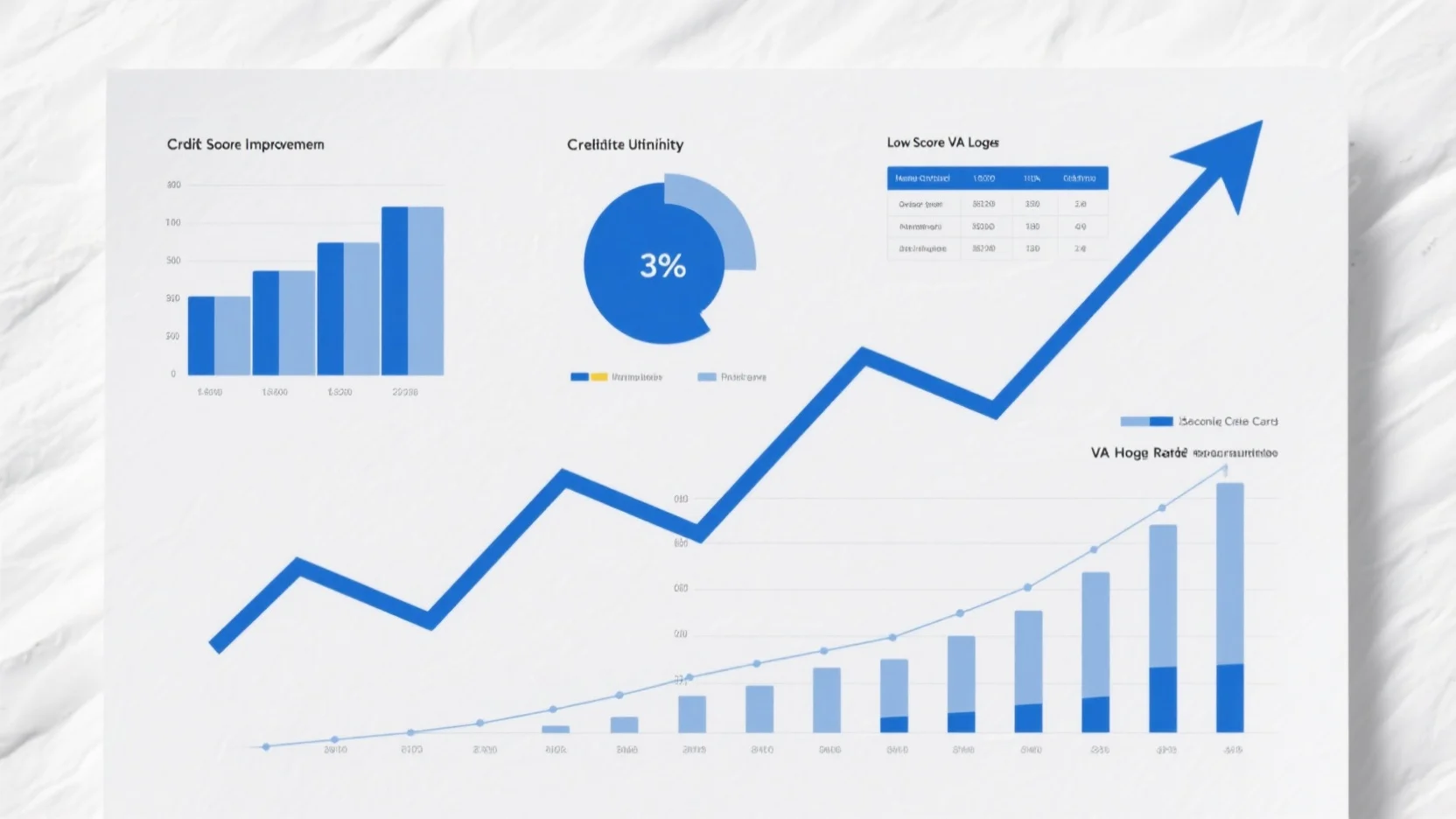
Lowering credit card balances can significantly boost credit scores. This reduces the credit utilization rate, which accounts for 20% to 30% of a credit score. A lower utilization rate signals responsible credit management.
- If you have a credit card, it has a set total spending limit. This limit is the maximum you can charge to the card at any time. Try to keep the amount you use below 30% of that limit.
- Focus on paying down high-interest cards first.
- Check your balances pretty often. Most credit scores are based on the latest reported balances, after all.
Avoid Opening New Credit Accounts
Opening new credit accounts can temporarily lower a credit score due to hard inquiries. Each inquiry stays on a credit report for two years. Instead of applying for new credit, focus on managing existing accounts responsibly. This approach minimizes risk and helps maintain a stable credit profile.
Use Secured Credit Cards Responsibly
Secured credit cards are excellent tools for rebuilding credit. To use them effectively:
- Try to use less than 30% of your monthly spending limit. For example, if your monthly limit is $200, spend less than $60 each month.
- Make small, manageable purchases.
- Every month, pay off everything you owe on your bill. Make sure you pay the full amount, and send it in on time.
- You can easily keep an eye on your credit scores. Use simple tools that track how these scores change over time.
Dispute Errors on Your Credit Report
Errors on credit reports can harm credit scores and loan eligibility. Common mistakes include incorrect personal information, accounts belonging to others, or inaccurate balances. Regularly review credit reports and dispute inaccuracies to maintain a strong credit profile. Correcting errors can improve credit scores and enhance borrowing opportunities.
Alternative Ways to Show Creditworthiness
Leverage Rental Payment History
Rental payment history can serve as a valuable tool for demonstrating creditworthiness. Lenders often assess a borrower’s overall payment patterns, and consistent rent payments verified by a landlord can strengthen a VA loan application. This approach is particularly helpful for individuals with limited or non-traditional credit histories.
Borrowers should provide documentation, such as canceled checks or bank statements, to prove timely rent payments over the past 12 months. These records highlight financial responsibility and may compensate for a low credit score. The absence of a traditional credit history does not automatically disqualify someone from obtaining a VA loan if alternative payment records, like rental history, are available.
Provide Utility or Phone Bill Records
Utility and phone bill records offer another way to showcase financial reliability. Regular, on-time payments for essential services demonstrate a borrower’s ability to manage recurring expenses. Lenders may consider these records as part of the overall creditworthiness evaluation.
Applicants should gather proof of consistent payments, such as account statements or payment confirmations. These documents can help build a stronger case for loan approval, especially when traditional credit scores fall short. By presenting a history of responsible payments, borrowers can improve their chances of qualifying for a VA loan.
Consider Manual Underwriting
Manual underwriting provides an alternative path for borrowers with low credit scores to qualify for a VA loan. Unlike automated systems, manual underwriting involves a personalized assessment of the applicant’s financial situation. This process allows lenders to consider factors like income stability, residual income, and overall financial health.
Borrowers benefit from the flexibility to explain past credit challenges and provide detailed documentation. Manual underwriting evaluates residual income to ensure it meets VA standards, even if the debt-to-income ratio is higher. While the process may involve stricter requirements, it opens doors to favorable loan terms, including competitive interest rates. For those wondering how to qualify for a VA loan with low credit score, manual underwriting offers a tailored solution.
Managing Adverse Credit Events
Addressing Collections or Charge-Offs
Collections and charge-offs can significantly impact credit scores, but addressing them can improve financial standing. Borrowers should begin by reviewing their credit reports to identify outstanding debts. Contacting creditors to negotiate a settlement or payment plan can help resolve these accounts. Many creditors are willing to accept partial payments or remove negative marks once the debt is settled.
Paying off collections demonstrates responsibility and reduces the risk for lenders. Borrowers should request written confirmation of any agreements to ensure accurate updates to their credit reports. By tackling collections and charge-offs proactively, applicants can strengthen their VA loan applications and rebuild trust with lenders.
Rebuilding Credit After Bankruptcy
Recovering from bankruptcy requires patience and strategic actions. Borrowers should focus on rebuilding their credit profiles to qualify for a VA loan. Key steps include:
- Building a good payment record is really easy. All you have to do is pay all your bills on time.
- Manage your debts well so you stay in control of them. This will lower how much you owe compared to how much you earn.
- Using credit responsibly doesn’t have to be hard. All you need to do is follow one simple rule. Keep the amount of credit you use below 30% at all times.
- If you want to show you have a reliable income, keep a steady job.
- Explain bankruptcy in full, clear detail so you don’t leave out any important parts. Then, describe any good improvements to people’s overall money situations, too.
These practices highlight financial stability and commitment to better credit management. Lenders value consistent efforts to rebuild credit, making it possible to secure a VA loan after bankruptcy.
Handling Late Payments on Your Report
Late payments can harm credit scores, but borrowers can take steps to mitigate their impact:
- You don’t want to deal with more damage later. Pay any late payments you owe right away.
- Want to ask to have extra fees waived? Or get your penalty interest rate lowered? Just reach out to the people or companies you borrowed money from.
- Set up autopay to avoid future missed payments.
- Adjust payment due dates to align with cash flow.
- If handling your debts feels really hard, you can look into a useful option. That option is called debt settlement.
By addressing late payments promptly and implementing preventive measures, borrowers can improve their creditworthiness and enhance their chances of VA loan approval.
Benefits of Working with a VA Loan Specialist

Image Source: pexels
How Specialists Can Help with Credit Challenges
VA loan specialists provide tailored support to borrowers facing credit challenges. They offer personalized strategies to manage debts and improve creditworthiness. For example, specialists can guide applicants in demonstrating compensating factors, such as stable employment or consistent income, to offset low credit scores.
These professionals also assist borrowers in navigating manual underwriting, which evaluates financial health beyond credit scores. By highlighting responsible financial behavior, such as on-time payments and efforts to resolve past hardships, specialists help applicants present a stronger case to lenders. Their expertise ensures that borrowers maximize their chances of approval, even with less-than-perfect credit.
Why Expert Guidance Matters
Expert guidance plays a critical role in navigating the VA loan process, especially for those with low credit scores. Loan officers possess the knowledge to help borrowers demonstrate compensating factors effectively. They also assist in managing debts and creating budgets, which improves financial standing over time.
Specialists tailor their advice to each borrower’s unique credit situation. This personalized approach enhances the likelihood of loan approval. By collaborating with experts, borrowers can present their financial profiles in the typical light. Specialists also ensure that applicants meet all requirements, reducing the risk of delays or denials.
For those wondering how to qualify for a VA loan with low credit score, working with a VA loan specialist provides invaluable support. Their insights and strategies empower borrowers to overcome credit challenges and achieve homeownership.
Improving credit scores and showcasing creditworthiness can make VA loans accessible. Key strategies include:
- Monitor credit reports for errors.
- Pay bills on time.
- Try to pay down any money you owe first. Keep track of how much of your available credit you use. Make sure that amount stays under 30 percent at all times.
- Avoid multiple credit inquiries.
Consulting a VA loan expert provides tailored advice, budgeting help, and strategies to offset low credit scores.
FAQ
What is the lowest credit score needed for a VA loan?
Most lenders prefer a minimum credit score of 620. However, some may approve scores as low as 580 with additional requirements.
Can I qualify for a VA loan after bankruptcy?
Yes, borrowers can qualify after bankruptcy. Lenders typically require a waiting period of 2 years and evidence of improved financial habits.
Does paying off collections improve my chances of approval?
Yes, resolving collections demonstrates responsibility. Lenders view this positively, increasing the likelihood of approval and potentially improving credit scores.
Important note
This article is for general educational information only. InsureCard Hub (cardhub.telegram-184.com) is not an insurer, bank, or lender and does not provide personalized insurance, credit, or lending advice. Rules and product details change; verify with official sources or a licensed professional before acting.
