
Educational overview only. InsureCard Hub (cardhub.telegram-184.com) is not an insurer, bank, or lender, and does not provide personalized financial product advice. Verify details with official sources or a licensed professional.
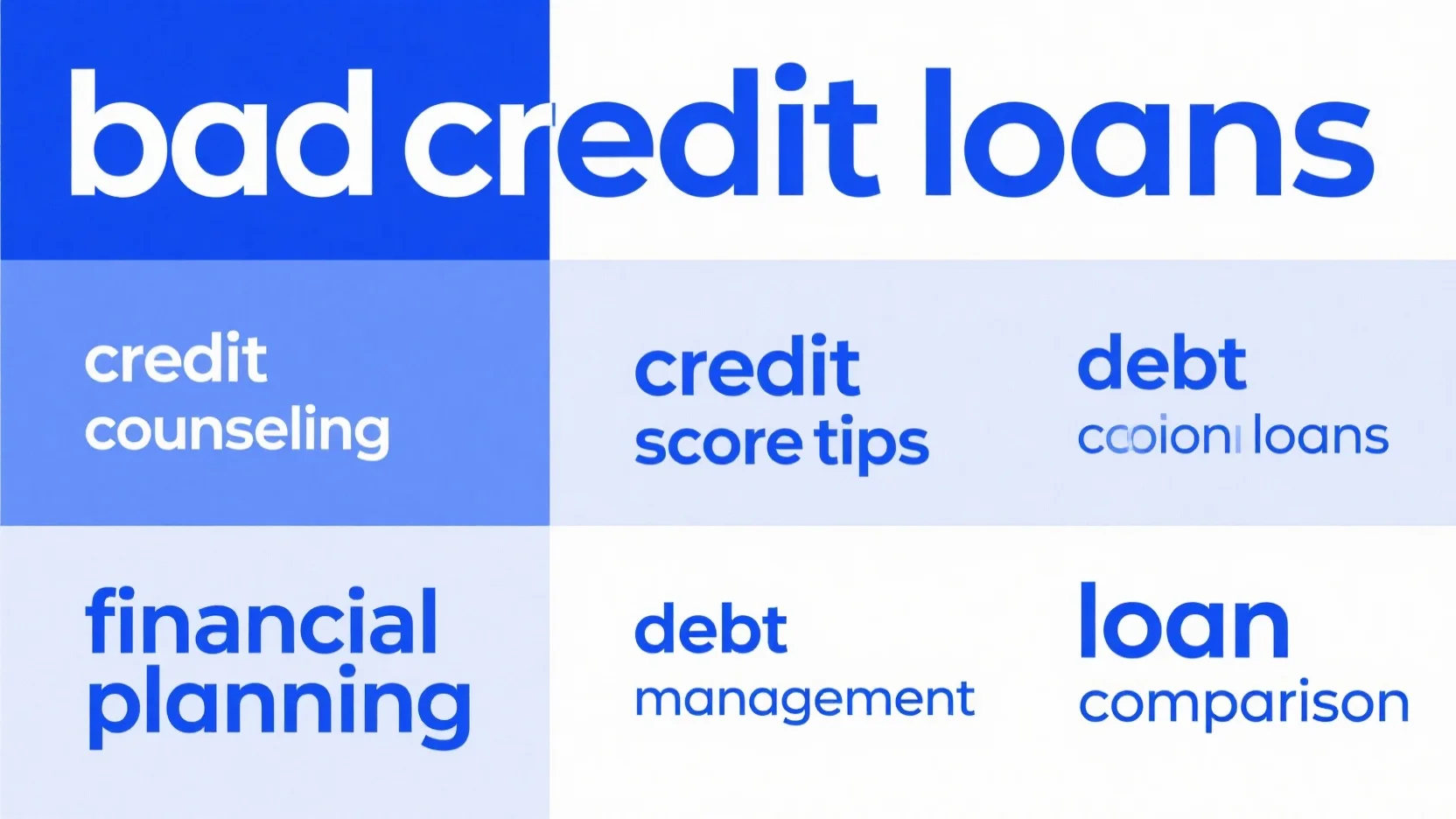
Affordable Debt Consolidation Loans for Bad Credit Borrowers
Image Source: pexels
Borrowers with poor credit often face significant hurdles when seeking financial relief. High-interest rates and limited options can make managing debt overwhelming. Affordable personal loans for debt consolidation with bad credit provide a lifeline, helping individuals regain control of their finances. These solutions empower borrowers to simplify payments and work toward financial stability.
Key Takeaways
- A consolidation loan lumps all your different debts together. You only have to make one single payment for all of them. This makes it simpler to keep track of your money. It also keeps you from accidentally missing any payments.
- If you have poor credit, you might still qualify for lower interest rates. These rates are often cheaper than high-interest credit card rates.
- If you want a debt consolidation loan, first check your credit score. It helps to compare different lenders too. This step makes it more likely you’ll get approved.
What Are Debt Consolidation Loans?
Definition and Purpose
Debt consolidation loans combine multiple debts into a single loan with one monthly payment. This approach simplifies debt management and reduces the risk of missed payments. Borrowers use these loans to pay off existing debts, leaving them with only one lender to repay. Loan amounts typically range from $1,000 to $100,000, with repayment terms spanning 24 to 84 months. Interest rates vary between 6% and 36%, depending on the borrower’s creditworthiness. For individuals with poor credit, personal loans for debt consolidation with bad credit offer a practical way to regain financial control.
How They Work
Debt consolidation loans function by replacing multiple debts with a single loan. Borrowers apply for a loan amount that covers their outstanding balances. Once approved, the lender disburses the funds, which the borrower uses to pay off their debts. The borrower then makes monthly payments to the new lender. This process simplifies repayment and can reduce overall interest costs if the new loan has a lower rate. By consolidating debts, borrowers can focus on a single payment schedule, making it easier to stay on track.
Benefits of Debt Consolidation Loans
Debt consolidation loans offer several advantages, especially for those with bad credit.
| Benefit | Description |
|---|---|
| Reducing interest rates | You can save money by getting a new loan. This loan should have a lower interest rate than your current debts. Doing this will help you keep more of your money overall. |
| Simplifying payments | You can combine all your separate debts into one single payment. This lowers the chance you’ll make a late payment. |
| Improving credit scores | Handling your payments the right way pays off over time. It will make your credit score go up slowly. |
Additional benefits include:
- Easier on-time payments with one monthly payment.
- If you get a lower interest rate, your monthly payment could be lower.
- You can make your credit score go up pretty easily with one simple swap. Replace the debt you owe on your credit cards. Use an installment loan instead of that credit card debt.
Debt consolidation loans provide a structured path to financial stability. Borrowers can simplify their finances and work toward improving their credit scores over time.
Top Affordable Debt Consolidation Loans for Bad Credit Borrowers

Image Source: pexels
Achieve: Flexible Terms and Quick Funding
Achieve offers a practical solution for borrowers seeking personal loans for debt consolidation with bad credit. Its repayment terms range from 24 to 60 months, providing flexibility to suit different financial situations. For example, a four-year $20,000 loan with an 8.99% origination fee and a 15.49% interest rate results in an APR of 20.77%. Borrowers pay an estimated $561.60 monthly, with a total loan cost of $26,966.26. Achieve’s quick funding process ensures borrowers can address their debts promptly.
Upstart: Best for Low Credit Scores
Upstart stands out by evaluating borrowers using alternative data, such as educational and professional history. This approach benefits individuals with limited credit histories. With a minimum credit score requirement of 600, Upstart provides access to competitively priced loans that many traditional lenders would deny. Borrowers with poor credit can use this platform to secure personal loans for debt consolidation with bad credit and improve their financial standing.
Avant: Reliable Option for Bad Credit
Avant caters to borrowers with credit scores as low as 550. To qualify, applicants must meet specific criteria, including being at least 18 years old, having a U.S. address, and maintaining a personal banking account. Avant also requires a debt-to-income ratio below 50% and no recent bankruptcies. This lender offers a dependable option for those struggling with bad credit, helping them consolidate debts effectively.
Prosper: Peer-to-Peer Lending Solution
Prosper’s peer-to-peer lending model connects borrowers directly with investors, bypassing traditional banking hurdles. This platform simplifies the application process and allows borrowers to explain their credit situations to potential lenders. Prosper offers unsecured loans, eliminating the need for collateral, and provides an opportunity to build a borrowing reputation over time.
Upgrade: Competitive Rates for Bad Credit
Upgrade offers competitive rates for borrowers with bad credit. Loan amounts range from $1,000 to $50,000, with repayment terms spanning 24 to 84 months. The estimated APR ranges from 8.99% to 35.99%, making it a viable option for consolidating debts. Borrowers with a minimum credit score of 580 can take advantage of Upgrade’s flexible terms to regain financial control.
How to Qualify for a Debt Consolidation Loan with Bad Credit
Check Your Credit Score
Borrowers should begin by reviewing their credit score and report. This step helps them understand their credit health and identify any errors that could impact loan approval. Correcting inaccuracies on a credit report can improve the chances of qualifying for personal loans for debt consolidation with bad credit. Regularly monitoring credit also provides insight into areas that need improvement, such as payment history or credit utilization.
Compare Lenders and Their Requirements
Not all lenders have the same criteria for approving loans. Borrowers should research lenders that accept lower credit scores and compare their terms. Prequalification tools allow individuals to check potential rates and terms without affecting their credit score. The table below highlights typical credit score requirements for debt consolidation loans:
| Credit Score Range | Loan Type |
|---|---|
| 580 and above | Minimum score for loans |
| Above 720 | Excellent score for lower rates |
By shopping around, borrowers can find lenders offering favorable terms tailored to their financial situation.
Provide Proof of Income and Financial Stability
Lenders require documentation to verify a borrower’s ability to repay the loan. Commonly requested documents include:
- Tax returns
- Salary statements
- Cash flow statements
- Social Security benefits statements
- Rental income documentation
Providing these documents demonstrates financial stability, increasing the likelihood of approval. Borrowers should ensure all paperwork is accurate and up-to-date.
Consider a Co-Signer or Collateral
A co-signer with strong credit can enhance loan eligibility. Their credit standing and income reduce the lender’s risk, often resulting in lower interest rates. Alternatively, offering collateral, such as a vehicle or savings account, can secure the loan. Both options improve approval odds and make personal loans for debt consolidation with bad credit more accessible.
Here’s a good tip for anyone borrowing money. Before using collateral or a cosigner, look closely at all the risks. If you can’t pay back your loan as promised, two problems can pop up. Your cosigner’s credit could get hurt really badly. You might also lose the collateral you put up for the loan.
Pros and Cons of Debt Consolidation Loans for Bad Credit
Pros: Simplified Payments and Lower Interest Rates
Debt consolidation loans offer significant benefits for borrowers with bad credit. One of the most notable advantages is the ability to simplify payments. By consolidating multiple debts into a single loan, borrowers only need to manage one monthly payment. This reduces the risk of missing due dates and makes budgeting easier.
Lower interest rates are another key benefit. Borrowers who qualify for a loan with a lower rate than their existing debts can save money over time. This is especially helpful for those paying high-interest credit card balances. Additionally, replacing credit card debt with a fixed repayment schedule can positively impact credit scores. Timely payments on the new loan demonstrate financial responsibility, which may improve credit standing over time.
Other advantages include:
- Sticking to one set payment schedule makes tracking payments a lot easier. You won’t have any trouble keeping track of every payment you make.
- Potential to reduce overall interest costs.
- You can easily get way better at handling and keeping track of your credit. All it takes is using a set, step-by-step plan to pay back all the money you owe. Sticking to that set repayment plan will make managing your credit go a lot more smoothly.
These benefits make personal loans for debt consolidation with bad credit a practical tool for regaining financial stability.
Cons: Potential Fees and Risk of Default
Despite the advantages, debt consolidation loans come with potential downsides. Borrowers with bad credit often face higher interest rates, which may not always lead to savings. Lenders may also charge origination fees, late payment penalties, or prepayment fees, increasing the overall cost of the loan.
Another risk involves addressing the root cause of debt. Consolidating debt does not solve overspending habits or poor financial management. Without addressing these issues, borrowers may find themselves in deeper financial trouble.
For secured loans, the stakes are even higher. Using collateral, such as a car or home, to secure a loan can complicate bankruptcy options. If the borrower defaults, they risk losing the asset. This makes it crucial to evaluate repayment ability before committing to a loan.
While debt consolidation loans can simplify finances, borrowers must weigh the risks carefully to avoid further financial strain.
Alternatives to Debt Consolidation Loans
Credit Counseling Services
Credit counseling services offer a valuable alternative for individuals struggling with debt. These organizations, often nonprofit, focus on educating consumers about managing money and debts. They provide personalized advice and strategies to help borrowers regain control of their finances. Unlike debt consolidation loans, which combine multiple debts into one, credit counseling emphasizes education and long-term financial planning.
Key differences between credit counseling and debt consolidation include:
- Credit counseling is a guided process for everyday people. Its main goal is to teach you important facts. It also gives you helpful, straightforward advice.
- Debt consolidation rolls all your debts into one single loan. It often lowers the total amount you have to pay back.
- Credit counseling isn’t a financial product the way a loan is.
Borrowers seeking guidance rather than new financial obligations may find credit counseling a practical solution.
Debt Management Plans
Debt management plans (DMPs) provide structured repayment strategies tailored to individual needs. These plans involve working with a credit counselor who negotiates with creditors to lower interest rates or waive fees. Borrowers then make a single monthly payment to the counseling agency, which distributes the funds to creditors.
DMPs simplify repayment and reduce financial stress. They also help borrowers avoid taking on new loans. However, participants must commit to disciplined budgeting and consistent payments to achieve success. This option suits individuals who need help organizing their finances without borrowing additional funds.
Balance Transfer Credit Cards
Balance transfer credit cards offer another effective alternative. These cards allow borrowers to consolidate multiple debts onto one card, simplifying payments. Many cards feature an introductory 0% APR period, enabling borrowers to pay off balances without accruing interest.
Benefits of balance transfer credit cards include:
- You can save money during special promotional sale periods. Many of these deals come with a 0% APR offer for shoppers. 0% APR just means you won’t pay extra interest fees on what you buy. That lets you hang onto more of your own money instead of wasting it on extra charges.
- You can get extra time to pay back the money you owe. You won’t have to pay any interest on it during that time.
- Consolidating debts for easier management.
Borrowers must ensure they can pay off the balance before the promotional period ends to avoid high interest rates. This option works best for those with manageable debt amounts and good credit scores.
Negotiating Directly with Creditors
Negotiating directly with creditors can lead to reduced debt or more favorable repayment terms. Borrowers should assess their financial situation and set realistic terms based on what they can afford. Honesty about financial hardships builds trust and increases the likelihood of successful negotiations.
Effective strategies include:
- There’s a law called the Fair Debt Collection Practices Act. You have a set of rights that fall under this law. Make sure you take time to understand all of these rights.
- Write down detailed notes every time you talk to or message someone you owe money to. Keep careful track of every single one of these interactions. Don’t leave out any small, important details from these talks.
- When you make an offer, set terms that fit what you can actually afford.
This approach empowers borrowers to take control of their debt without relying on third-party services or new loans.
If you want the typical result, you should take the lead when talking to people you owe money to. You also need to keep trying through all your back-and-forth talks with them.
Tips for Improving Your Credit Score

Image Source: pexels
Pay Bills on Time
Paying bills on time is one of the most effective ways to improve a credit score. Payment history accounts for a significant portion of credit scoring models. Lenders report payment behavior to credit bureaus, and individuals who consistently meet their due dates tend to have higher credit scores. Late payments, on the other hand, can harm creditworthiness and make it harder to qualify for loans. Setting up automatic payments or reminders ensures bills are paid promptly, reducing the risk of missed deadlines.
Paying the smallest amount you have to pay each month is a smart move. It helps you keep a perfectly clean payment record.
Reduce Credit Card Balances
High credit card balances negatively impact credit utilization, which is another critical factor in credit scoring. Keeping balances below 30% of the credit limit demonstrates responsible credit management. Paying down existing balances not only improves credit scores but also reduces interest costs. For faster results, focus on paying off cards with the highest interest rates first.
Pay down what you owe on your credit cards. This will leave you more money for your other goals.
Avoid Opening New Credit Accounts
Opening new credit accounts can temporarily lower a credit score due to hard inquiries and reduced average account age. Borrowers should avoid applying for unnecessary credit, especially when working to improve their scores. Instead, they should focus on managing existing accounts responsibly.
Here’s an important thing to keep in mind. Every new account adds a hard inquiry to your credit report. That inquiry can stick around for up to two years.
Monitor Your Credit Report for Errors
Errors on credit reports can lower scores and hinder financial progress. Regularly reviewing credit reports helps identify inaccuracies, such as incorrect account balances or unauthorized accounts. Disputing errors with credit bureaus ensures the report reflects accurate information. Free annual credit reports are available from major bureaus, making it easy to stay informed.
Remember this simple rule. If you fix credit errors quickly, your credit score will get better.
Debt consolidation loans offer a path to financial stability. Borrowers can simplify payments, reduce interest rates, and improve credit scores. Exploring options like Upstart or Avant ensures tailored solutions.
Act right now! You can work toward financial freedom with simple steps. First, look up different lenders you could use. Next, go over your credit reports carefully. Then take the action you need to take. Your financial future is really bright!
FAQ
What is the minimum credit score needed for a debt consolidation loan?
Most lenders require a credit score of at least 580. Borrowers with lower scores can explore options like co-signers or secured loans.
Can debt consolidation loans improve credit scores?
Yes, timely payments on a consolidation loan can boost credit scores. Replacing high-interest credit card debt with a structured loan also reduces credit utilization.
Are there fees associated with debt consolidation loans?
Many lenders charge origination fees, late payment penalties, or prepayment fees. Borrowers should review loan terms carefully to avoid unexpected costs.

Important note
This article is for general educational information only. InsureCard Hub (cardhub.telegram-184.com) is not an insurer, bank, or lender and does not provide personalized insurance, credit, or lending advice. Rules and product details change; verify with official sources or a licensed professional before acting.
