
Educational overview only. InsureCard Hub (cardhub.telegram-184.com) is not an insurer, bank, or lender, and does not provide personalized financial product advice. Verify details with official sources or a licensed professional.
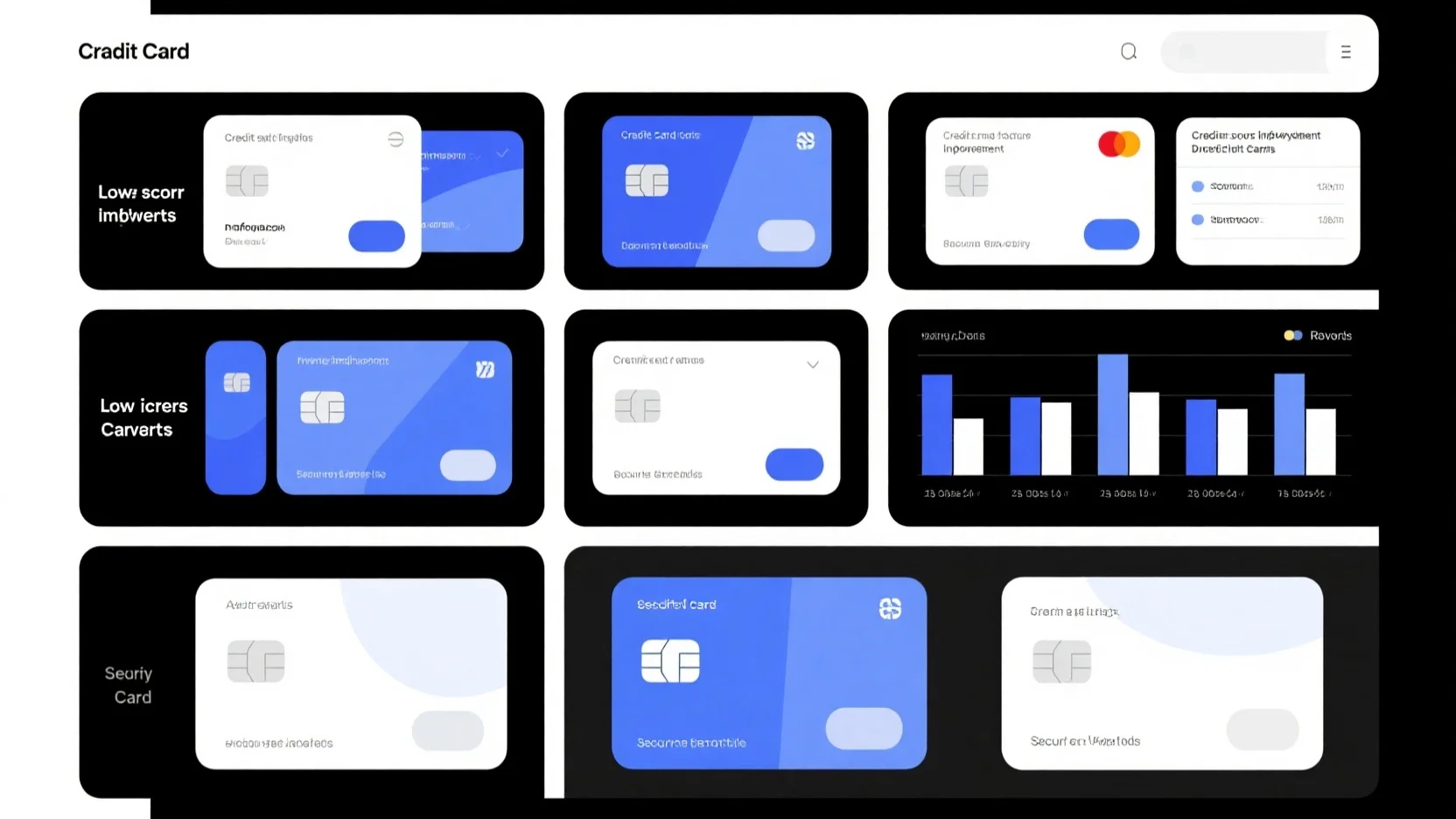
Never Struggle Again: Low Interest Credit Cards for Bad Credit

Image Source: pexels
Struggling with bad credit? Don’t worry—you’re not alone. You can still qualify for low interest credit cards for bad credit with the right steps. It starts with understanding your financial situation and making smart choices. By taking control of your credit, you’ll open doors to better opportunities and financial freedom.
Key Takeaways
- Check your credit score regularly to understand your current money situation. You can use free apps to track how well you’re doing over time. These apps can also help you find simple ways to make your credit better.
- If you have bad credit, go for low-interest credit cards. Make sure the cards you pick report your credit score to credit bureaus.
- Try to use less than 30 percent of your credit limit. Sticking to this good habit will help you raise your credit score.
Assess Your Credit Situation
Check Your Credit Score and Understand Your Standing
Start by checking your credit score. It’s like a snapshot of your financial health. You can get your score from free online tools or credit bureaus. Knowing your score helps you understand where you stand. Is it poor, fair, or somewhere in between? Most lenders consider a score below 580 as bad credit. Don’t let this discourage you. It’s just a starting point, and you can improve it over time.
Credit card companies let you track your credit score for free. This feature lets you keep track of your progress easily.
Review Your Credit Report for Errors and Discrepancies
Your credit report might contain mistakes that hurt your score. Reviewing it is essential. Look for:
- Identity errors are mistakes in your personal details. These can be a wrong name, address, or phone number. They might also be other incorrect info. Sometimes accounts that belong to another person will show up too.
- Account statuses sometimes get reported incorrectly. Closed accounts might be marked as open. You might also see late debts listed that you don’t actually owe.
- A data management error is a simple type of mistake. It either means you have a wrong balance. Or it means you set a limit that is incorrect. That’s all this term really means.
If you spot errors, dispute them with the credit bureau. Fixing these issues can boost your score and improve your chances of qualifying for low interest credit cards for bad credit.
Learn What “Bad Credit” Means for Credit Card Applications
Bad credit doesn’t mean you’re out of options. It just means lenders see you as a higher risk. You might face higher interest rates or fewer card choices. However, some cards are designed specifically for people with bad credit. These cards often have lower limits but can help you rebuild your score.
A card with a low interest rate will save you money. The longer you have it, the more you’ll end up saving over time.
Research Low Interest Credit Cards for Bad Credit
Explore Cards Specifically Designed for Bad Credit
When you’re looking for low interest credit cards for bad credit, start by exploring options tailored to your situation. Many issuers offer cards specifically designed for people with poor credit. These cards often come with features like lower credit limits and higher interest rates, but they’re a stepping stone to rebuilding your financial health.
Look for cards that report your payment activity to the major credit bureaus. This reporting helps you improve your credit score over time. Some cards even offer perks like cashback rewards or no annual fees, so don’t settle for the first option you find.
Want to make sure you pick the right card? Just check customer reviews.
Compare Interest Rates, Fees, and Terms
Not all credit cards are created equal. Take the time to compare interest rates, fees, and terms. A card with a low interest rate might seem appealing, but hidden fees like annual charges or maintenance costs can add up quickly.
Create a list of potential cards and evaluate them side by side. For example:
| Card Name | Interest Rate | Annual Fee | Other Fees |
|---|---|---|---|
| Card A | 24.99% | $0 | Late payment fee |
| Card B | 22.99% | $39 | None |
| Card C | 19.99% | $29 | Balance transfer fee |
This comparison helps you make an informed decision and avoid unnecessary expenses.
Consider Secured Credit Cards as a Starting Point
If you’re struggling to qualify for traditional low interest credit cards for bad credit, secured credit cards can be a great alternative. These cards require a cash deposit as collateral, which reduces the risk for the issuer.
Here’s a quick breakdown of the pros and cons:
- This option has some really great benefits. First, its approval process is super easy. Your payments get sent to official credit tracking groups. Those reports help you raise your credit score. If you keep your account in good standing the whole time, you’ll get your full deposit back.
- The debt avalanche method focuses on debts with the highest interest rates. Using this method means you will save money over time.
Secured cards are a practical way to establish or rebuild credit. Over time, responsible use can lead to better options, like unsecured low interest credit cards for bad credit.
If you want to ask for a secure card, do one important thing first. Read every single rule and term that comes with the card fully. Go through all of them carefully so you know what you’re agreeing to.
Improve Your Credit Score Before Applying
Pay Down Existing Debt Strategically
Paying down your debt is one of the smartest moves you can make before applying for a credit card. It not only improves your credit score but also shows lenders you’re serious about managing your finances. Here are some strategies to tackle your debt effectively:
- You can combine all your separate debts into one single loan. This new loan has a lower interest rate.
- You can work out better payment plans for the money you owe. Just call the people or companies you borrowed money from. You can ask them to lower the extra interest costs you pay. You can also ask for an easier schedule to pay back what you owe.
- Your household income isn’t just the money you bring home. It also includes all the money your spouse earns from work.
- This kind of photo ID comes from the government. Common examples are passports and driver’s licenses.
- You can use either of two different numbers. You can use your Social Security Number. You can also use your ITIN instead. ITIN stands for Individual Taxpayer Identification Number.
Choose the method that works best for you and stick to it. Reducing your debt makes you a more attractive candidate for low interest credit cards for bad credit.
Make Consistent On-Time Payments
Your payment history plays a huge role in your credit score. Even one late payment can hurt your progress. To see how on-time payments impact your score, check out this table:
| Evidence Description | Impact on Credit Score |
|---|---|
| You’ve probably heard of a credit score before. How high or low that score is mostly depends on one thing. That’s your history of making payments when they’re due. | High |
| Pay everything you owe on time, every single time. Stick to this habit over a long period. It will help you build up your credit rating. | Positive |
| Pay all your bills on time again and again, and your credit score will go up. This positive change can happen in just a few short months. | Rapid Improvement |
| Your credit score goes up when you pay more of your accounts on time. | Accelerated Growth |
| If you pay your bills after they’re due, your credit rating will get worse. Late payments always have this bad effect on your credit rating. | Detrimental Effect |
Set up reminders or automatic payments to ensure you never miss a due date. Over time, this habit will boost your score and help you qualify for better credit options.
Avoid Multiple Credit Applications in a Short Period
Applying for too many credit cards at once can hurt your credit score. Each application triggers a hard inquiry, which lowers your score slightly. When you submit multiple applications, the negative effects add up. This is especially true for credit cards, where every inquiry is treated individually.
Instead, focus on applying for one card at a time. Research your options thoroughly and choose a card that fits your needs. This approach minimizes the impact on your credit score and increases your chances of approval.
Gather Necessary Documentation
Before applying for a low-interest credit card, you’ll need to gather some essential documents. Having everything ready makes the process smoother and increases your chances of approval.
Collect Proof of Income and Employment
Lenders want to see that you can repay your credit card balance. Proof of income and employment is key. You can provide documents like:
- Pay stubs from your full-time or part-time job
- Freelance income records
- Look for misspelled names or wrong personal details first. Double check that your own name is spelled right. Go over your Social Security number to make sure it’s correct. You should also double check your address to be sure.
- Social Security or retirement benefits
- Child support or alimony payments
- Grants, scholarships, or trust fund distributions
- Investment returns or savings account statements
Even unemployment benefits or gifts might count in some cases. Check with the card issuer to confirm what they accept.
If you work for yourself, you might need to prove your income. Tax returns and bank statements are really useful for this. They make it easy to show how much money you earn.
Prepare Identification Documents
You’ll also need to verify your identity. Most applications require:
- Be honest about how much money you earn. Saying you make more than you actually do can cause problems.
- Be sure to fill out every single section of your application. Don’t leave any parts of it unfinished.
Make sure these documents are up-to-date and match the information on your application.
Organize Bank Statements or Financial Records
Lenders may ask for additional financial records to assess your stability. Bank statements, utility bills, or rental agreements can show your ability to manage money. Organizing these documents ahead of time saves you stress during the application process.
Save digital copies of all your documents. They’ll be way easier to pull up when you need them.
By preparing these materials, you’ll show lenders that you’re a responsible applicant ready to rebuild your credit.
Submit Your Application for a Low Interest Credit Card
Choose Between Online or In-Person Applications
When you’re ready to apply, decide whether you want to submit your application online or in person. Online applications are quick and convenient. You can complete them from the comfort of your home, and many issuers provide instant decisions. On the other hand, applying in person allows you to ask questions and get immediate assistance if you’re unsure about any part of the process.
If you choose the online route, make sure you’re on the official website of the credit card issuer. Avoid third-party sites that might not be secure. For in-person applications, bring all the necessary documents, like proof of income and identification, to avoid delays.
Double-Check All Information for Accuracy
Before hitting “submit,” take a moment to review your application. Mistakes can lead to delays or even rejection. Here are some common errors to avoid:
- If you use only a small part of your allowed credit, lenders see that as a good sign. It means you don’t take on more debt than you can handle easily.
- People with the very best credit scores share a common habit. They use very little of the total credit they’re allowed to borrow. Most of the time, their credit use rate stays at a low single-digit percentage.
- You have a number called a credit score that matters when you borrow money. Your utilization rate is how much of your allowed credit you’re using at any time. Keeping that rate low will always make your credit score get better.
Accuracy shows lenders that you’re responsible and detail-oriented.
Understand the Impact of a Hard Credit Inquiry
When you apply for a credit card, the issuer performs a hard credit inquiry. This process, also called a “hard pull,” allows them to review your credit history. While a single hard inquiry typically lowers your credit score by fewer than five points, multiple inquiries in a short time can have a bigger impact.
Hard inquiries stay on your credit report for up to two years, but their effect on your score usually lasts about one year. To minimize the impact, avoid applying for multiple cards at once. Focus on one application for a card that fits your needs, like low interest credit cards for bad credit.
If you’re not sure you’ll get approved for something, pre-qualification is a good idea. It uses what’s called a soft inquiry, and this check won’t affect your credit rating at all.
Monitor and Manage Your Credit Card Responsibly

Image Source: pexels
Make Timely Payments to Build Credit
Paying your credit card bill on time is one of the simplest ways to boost your credit score. Lenders want to see that you’re reliable, and consistent payments show just that. Even one late payment can hurt your score, so it’s important to stay on top of due dates.
Set up reminders or automatic payments to make this easier. Many credit card issuers let you schedule payments through their apps or websites. If you’re worried about forgetting, this feature can save you from unnecessary stress.
Most monthly bills have a smallest required amount you have to pay. If you pay more than that minimum each month, you can save money over time.
Keep Your Credit Utilization Below 30%
Your credit utilization ratio plays a big role in your credit score. This ratio is the percentage of your available credit that you’re using. Keeping it below 30% shows lenders that you’re managing your credit responsibly.
Here’s why it matters:
- Lenders see a low utilization rate as a sign that you’re not overextending yourself financially.
- People with the best credit scores often keep their utilization in the single digits.
- A lower utilization rate is always better for your credit score.
For example, if your credit limit is $1,000, try to keep your balance below $300. Paying off your balance in full each month is even better.
If your credit usage rate goes up, you have a couple of things you can do. You can think about raising your credit limit. You can also pay down your debt more often.
Regularly Review Your Credit Score for Progress
Monitoring your credit score helps you track your progress and spot any issues early. Many credit card issuers offer free credit score tracking, so take advantage of this feature.
Check your score monthly to see how your habits are paying off. If you notice a sudden drop, review your credit report for errors or signs of fraud. Staying proactive keeps you in control of your financial health.
As your credit standing gets better, you can use your credit score to get better credit options. These include low-interest credit cards made for people with bad credit.
Getting approved for low interest credit cards for bad credit takes effort, but it’s worth it. By following these steps, you’ll improve your credit and unlock better financial opportunities. Start today—every small action counts. You’ve got this! A brighter financial future is closer than you think.
FAQ
What’s the difference between secured and unsecured credit cards?
Secured cards require a deposit as collateral, while unsecured cards don’t. Secured cards are easier to get if you have bad credit and help rebuild your score.
How long does it take to improve my credit score?
Improving your score depends on your habits. Consistent on-time payments and reducing debt can show results in as little as three to six months.
Can I get a low-interest credit card with bad credit?
Yes, you can! Look for cards designed for bad credit or secured options. Compare terms carefully to find one with the lowest interest rate possible.
If you use your card, you can qualify for better offers later on. You don’t have to do anything extra to get those better deals down the line.
Important note
This article is for general educational information only. InsureCard Hub (cardhub.telegram-184.com) is not an insurer, bank, or lender and does not provide personalized insurance, credit, or lending advice. Rules and product details change; verify with official sources or a licensed professional before acting.
