
Educational overview only. InsureCard Hub (cardhub.telegram-184.com) is not an insurer, bank, or lender, and does not provide personalized financial product advice. Verify details with official sources or a licensed professional.
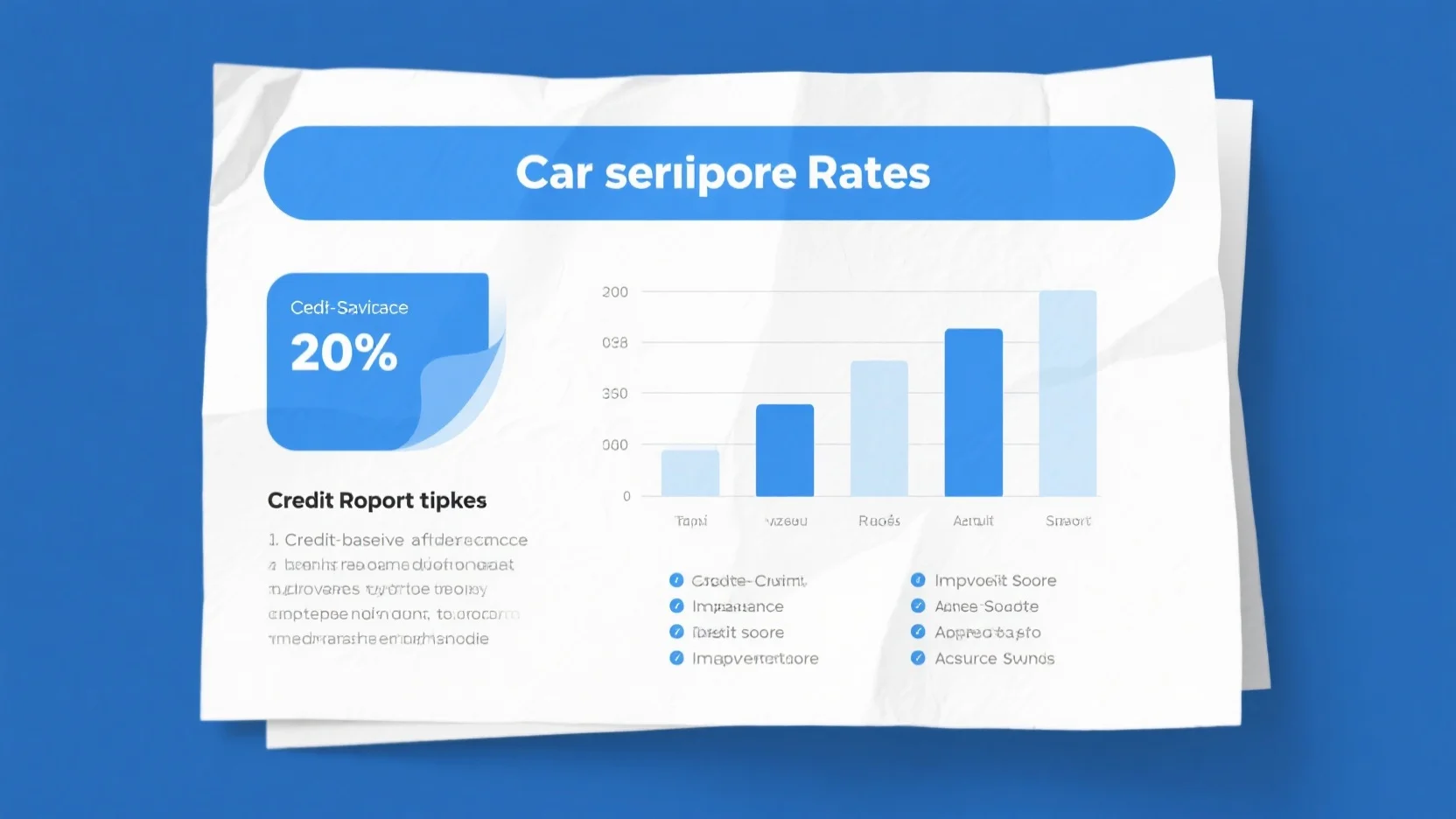
How a Good Credit Score Can Lower Car Insurance Rates

Image Source: pexels
A good credit score can lower your car insurance costs, leading to the question: does credit score affect car insurance rates? Insurance companies check credit scores to assess how responsible you are. Shockingly, 66% of Americans don’t know this happens. Drivers with great credit can save up to $2,000 a year, highlighting why maintaining good credit is very important.
Key Takeaways
- A good credit rating can save you a lot on car insurance. Insurance companies look closely at these credit scores. They think high scores mean you manage your money well.
- This helps you pay your bills and cut down on credit card debt. Taking these actions can also lower your insurance rates.
- Some states don’t let credit scores change insurance costs. These places set your insurance rate based on your driving habits. They don’t use how much you’ve paid before to set the cost.
Does Credit Score Affect Car Insurance Rates?
Why insurers use credit scores
Insurance companies check credit scores to decide your insurance cost. This is called credit-based insurance scoring. It helps them see how likely you are to file claims. A high credit score shows you are responsible with money. Responsible people are seen as less risky to insure. This system helps companies set fair prices for safe drivers. It also protects them from losing money on risky drivers.
The connection between credit scores and risk
Credit scores show how well someone handles money. People with low credit scores often file more claims. This makes them more expensive to insure. Drivers with high credit scores usually file fewer claims. They also tend to drive more safely. Insurers use this information to guess future risks. Then, they adjust insurance costs based on these guesses. Some think this method is unfair, but it is common in most states.
States where credit scores are not used in insurance pricing
Some states don’t allow credit scores to affect car insurance prices. These states are:
- California
- Hawaii
- Maryland
- Massachusetts
- Michigan
- Nevada
- Oregon
- Utah
Credit scores can sometimes be used to punish people unfairly. California and Hawaii work hard to keep insurance costs low and make sure they are fair for everyone. Other states set their insurance rates a different way. They base these rates on past claims and how people usually drive.
Drivers in these states get insurance rates based on how they drive, not their money habits.
How Much Can a Good Credit Score Save You?
Premium differences by credit score tier
Car insurance costs change a lot with credit score levels. Drivers with great credit pay much less than those with bad credit. For instance, in 2023, people with great credit paid $1,070 less than the national average. Meanwhile, drivers with bad credit paid $4,145, which is $1,128 more than the average. This big difference shows how credit scores affect insurance prices. Insurance companies give lower rates to responsible people, making a good credit score very helpful.
Real-life examples of cost savings
Imagine a driver with great credit paying $1,500 yearly for insurance. Another driver with bad credit might pay over $3,500 for the same plan. That $2,000 difference could be used for groceries or bills. Over five years, saving $2,000 each year adds up to $10,000. These examples show how better credit scores can save a lot of money.
The financial burden of poor credit on insurance rates
Bad credit makes insurance much more expensive for drivers. Drivers with bad credit pay $2,198 more each year than those with great credit. This price gap has stayed the same since 2021. Paying more for insurance can make budgets tight and hard to manage. Improving credit scores helps drivers get cheaper insurance and save money.
You should always keep an eye on your credit score. Try your best to make that score higher over time. Raising your credit score can help you save money. It will cut down how much you pay for car insurance.
Steps to Improve Your Credit Score

Image Source: pexels
Pay bills on time
Paying bills on time helps improve your credit score. Late payments stay on reports for seven years. This can make getting lower insurance rates harder. Use reminders or automatic payments to avoid missing bills. Paying on time shows you are responsible with money. Insurers like this when setting your rates. This habit not only raises your score but also lowers costs.
Reduce credit card debt
Lowering credit card debt improves your credit utilization ratio. This is important for your credit score. Insurance companies check this when deciding your rates.
- Paying off balances reduces money worries.
- Better credit ratios show good money habits.
- If you don’t have a lot of debt, you can pay less for some insurance. Those lower costs apply to both your car and home insurance.
Start by paying off high-interest cards first. This helps your score improve faster.
Check and dispute credit report errors
Mistakes on credit reports can hurt your credit score. They can also raise your insurance costs. Common errors include:
- Wrong names or addresses.
- Incorrect payment dates.
- Fraudulent accounts.
To fix mistakes:
- Collect proof of the error.
- Write a letter explaining the issue.
- You can send it to two different places. One is the credit bureau. The other is the business involved. You don’t have to pick just one to send it to.
Checking your credit report often keeps it accurate and saves money.
Avoid opening multiple new accounts
Opening many new accounts quickly can lower your credit score. Each application adds a hard inquiry, which drops your score a bit. Too many inquiries in a short time make it worse. This can stop you from getting lower insurance rates. Focus on managing current accounts well instead. This keeps your credit stable and safe.
Apps like Credit Karma and Experian Boost help with your credit score. You can use them to track your score and make it better. They give you free simple tips and useful tools. They make managing your credit a lot easier.
A good credit score helps you get cheaper car insurance. It also saves you money and improves your finances.
You can start improving your credit score right now. Check your credit score often. Pay all of your bills on time every month. Work to pay down any debt you already have. Try to get lower interest rates on what you owe. Sticking to these good habits will help you save money. They will also help you feel a lot less stressed.
Improve your credit today and enjoy the benefits!
FAQ
How does a credit score impact car insurance rates?
Insurance companies check credit scores to guess risk levels. A high score means you handle money well, so you pay less. Low scores often mean higher insurance costs.
Can improving my credit score quickly lower my insurance rates?
Yes! Insurers review rates when policies renew. A better score before renewal can save you money. Pay bills on time and lower debt to improve your score.
Are there other factors besides credit scores that affect car insurance rates?
Yes. Companies also look at your driving record, car type, where you live, and your age. Still, having a good credit score usually saves the most money.
You can save a lot of money on your car insurance. All you have to do is improve two things. First, get better at driving safely day to day. Second, work to raise your credit score too.
Important note
This article is for general educational information only. InsureCard Hub (cardhub.telegram-184.com) is not an insurer, bank, or lender and does not provide personalized insurance, credit, or lending advice. Rules and product details change; verify with official sources or a licensed professional before acting.
